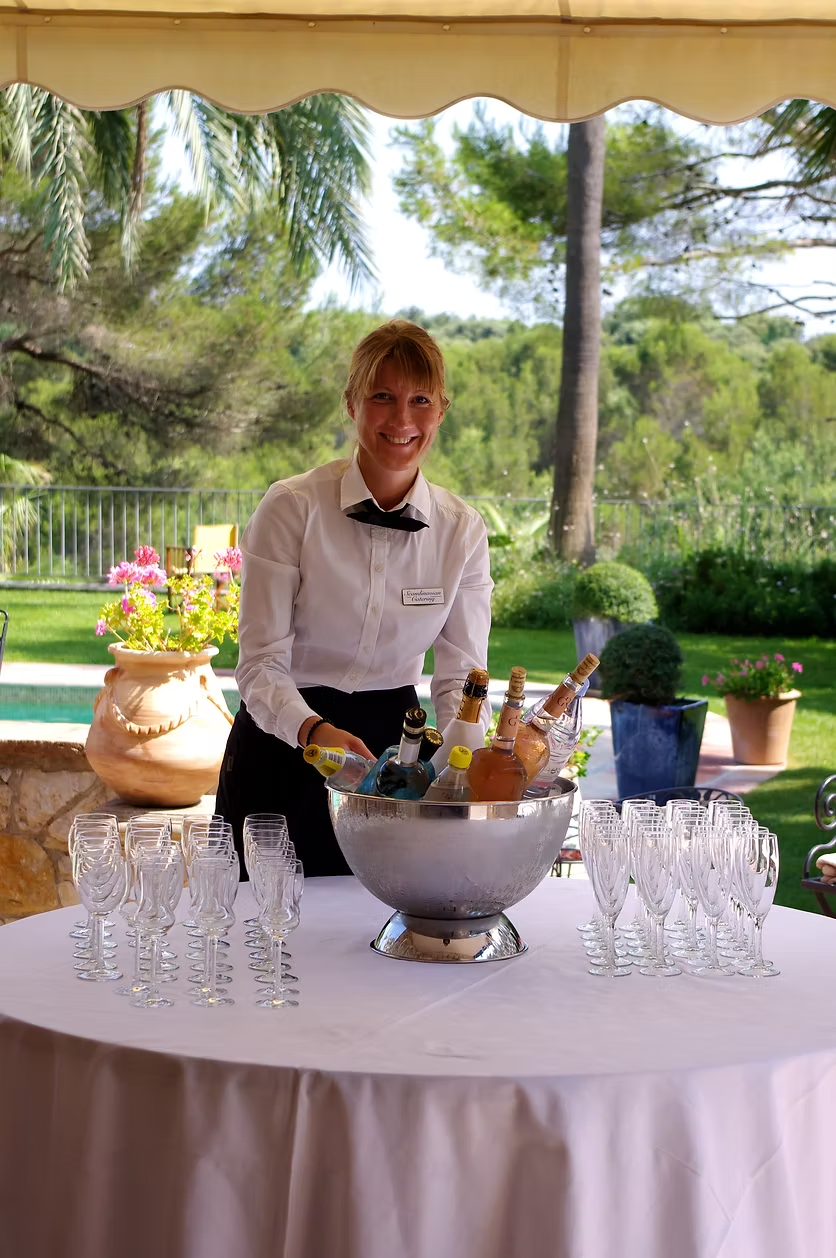
There are places along the French Riviera that feel almost too polished now — destinations perfected into postcards of themselves. Saint-Tropez in August, all bronzed limbs and magnums of rosé. Monaco with its immaculate façades and silent fleets of supercars. Cannes forever dressed for a premiere that may or may not happen.
And then there is Antibes.
Not simply Cap d’Antibes, with its hidden estates and pine-shaded villas belonging to discreet billionaires. Not Juan-les-Pins either, with its beach clubs and jazz-era glamour. But Vieil Antibes — the old town itself — enclosed within honey-coloured ramparts beside the sea.
This is where the Riviera softens.
Inside the ancient walls, life still unfolds according to older Mediterranean rhythms. Fishermen unload their catch at dawn while yacht crew collect espresso from tiny cafés before morning provisioning runs. Elderly locals wheel shopping trolleys through narrow alleyways scented with jasmine and warm stone. Church bells drift softly above the hum of conversation from shaded terraces.
The glamour exists, certainly. Port Vauban is home to some of the largest and most spectacular yachts in the Mediterranean. Billionaires arrive quietly by tender. Michelin-starred dinners stretch late into the evening beneath plane trees and old lanterns.
But unlike so many Riviera destinations, Antibes never surrendered entirely to performance.
It still feels lived in.
That distinction matters.
For sophisticated Riviera travellers — the kind who return to the Côte d’Azur year after year — Vieil Antibes often becomes less a destination than a ritual. A place woven permanently into the rhythm of Mediterranean summers.
Some arrive for a long weekend and end up staying ten days. Others dock their yacht in Port Vauban intending only to provision before Corsica, then postpone departure repeatedly. Many eventually begin renting apartments inside the old town each summer, returning to the same market vendors and café terraces as though they themselves have become part of local life.
And in a sense, they have.
Arriving in Antibes the Right Way
The sea has always defined Antibes.
Long before the Riviera became synonymous with glamour, this was an important fortified harbour town — strategically positioned between Nice and Cannes, protected by its natural bay and ancient defensive walls. Even now, the most beautiful arrival remains by water.
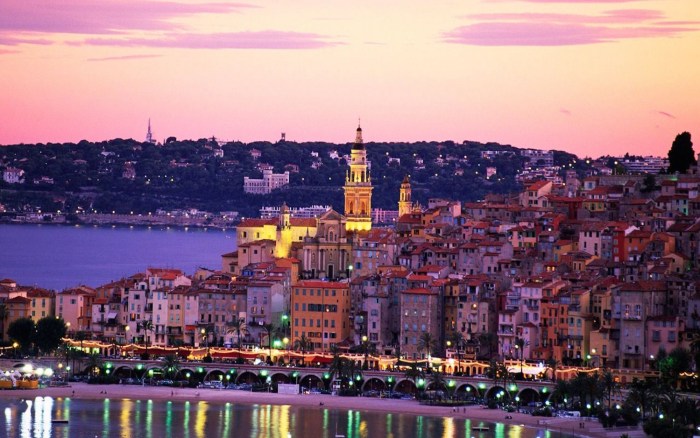
Approaching Antibes aboard a yacht at golden hour is one of the great understated pleasures of the Mediterranean. The ramparts glow amber beneath the evening sun. The mountains behind the coast turn lavender-blue. Sailboats drift quietly offshore while the lights of Vieil Antibes begin flickering on one by one.
Then comes Port Vauban.
For anyone connected to the world of yachting, Port Vauban requires little introduction. It is one of the Mediterranean’s defining marinas — home to vast superyachts, historic sailing vessels, sleek chase boats and crews preparing for crossings toward Corsica, Sardinia or the Amalfi Coast.
Yet despite the extraordinary wealth moored here, Port Vauban somehow avoids the sterile atmosphere that affects many modern marinas.
Perhaps because Antibes itself remains so authentic.
Fishing boats still sit beside 70-metre superyachts. Sailors drink cold beer beside yacht brokers in linen shirts. Crew members cycle into the old town carrying baskets from the Marché Provençal. Captains linger over espresso discussing weather systems and mooring availability while guests wander the market searching for olives, peaches and fresh seafood.
The worlds overlap constantly.
This is why Antibes occupies such a unique place within Riviera yacht culture. Monaco may impress first-time visitors. Saint-Tropez may dominate Instagram. But seasoned charter guests often end up talking about Antibes long after the season ends.
Many arrive believing Saint-Tropez will become the highlight of their Riviera itinerary.
More often than not, they leave talking about Vieil Antibes.
The Luxury of Living Like a Local
Part of Antibes’ appeal is that the greatest luxury here is not necessarily found in a grand hotel suite.
It is immersion.
Many regular visitors insist the most rewarding way to experience Vieil Antibes is by renting an apartment inside the ramparts for a week or two — or better still, arriving aboard a charter yacht and mooring directly in Port Vauban.
Because Antibes is not somewhere you merely visit.
It is somewhere you inhabit.
The old town rewards routine. Morning coffee at the same café. Buying tomatoes from the same market vendor. Greeting the bakery owner each morning while collecting still-warm croissants. Returning home through quiet alleyways after midnight while the stone walls radiate the heat of the day back into the night air.
Rental apartments inside Vieil Antibes are often wonderfully atmospheric: faded shutters opening onto lively squares, wrought-iron balconies draped in bougainvillea, old terracotta floors cool beneath bare feet after long afternoons in the sun.
You wake to the sound of market deliveries below your window. Church bells drift through the narrow streets around 8am. Somewhere nearby, someone is already grinding coffee.
Life slows almost immediately.
And for yacht guests, the experience becomes even more seductive. Few Riviera ports allow you to step directly from passerelle to old town within minutes. One moment you are aboard a floating palace in Port Vauban; the next you are wandering medieval alleyways searching for anchovies, lavender honey or chilled rosé before lunch onboard.
It is this effortless blending of yachting culture and authentic Mediterranean life that makes Antibes so unusually compelling.
The Marché Provençal: Antibes at Its Most Beautiful
Every truly great Mediterranean town possesses a market at its centre.
Tucked beside Cours Masséna beneath a covered market hall, it remains one of the Riviera’s great daily rituals — vibrant, fragrant and gloriously alive with local character.
Arrive early.
Before 9am, the market still belongs largely to locals and restaurant chefs. The air feels cooler then, carrying scents of basil, citrus and warm bread through the old streets.
The colours alone are extraordinary.
Deep red tomatoes stacked beside glossy aubergines. Courgette flowers arranged delicately in wooden crates. Buckets of lavender and wild herbs. Fat peaches perfuming entire corners of the market. Fresh chèvre wrapped in chestnut leaves. Silver anchovies gleaming on crushed ice beside oysters and langoustines from the coast.
And then there is the sound.
Vendors greeting regular customers by name. Espresso cups rattling against saucers nearby. Animated conversations in thick Provençal accents drifting between stalls. Laughter echoing beneath the old market roof.
Unlike many Riviera markets that have become curated performances for tourists, the Marché Provençal still feels deeply genuine.
Yacht chefs arrive early to source produce for charter guests. Restaurant owners inspect the morning catch with theatrical seriousness. Elderly women carry wicker baskets overflowing with herbs and fresh baguettes tucked under their arms.
This is also where Antibes reveals its culinary identity most clearly.
Socca crisp from the oven. Olive tapenade rich with anchovy and garlic. Tiny strawberries from nearby hillsides. Fresh pissaladière eaten standing at the counter with cold white wine before noon.
The best approach is simply to wander slowly.
Buy more than you intended. Taste everything. Speak to the vendors. Allow the morning to disappear.
By late morning, the cafés surrounding the market begin filling beautifully. Sunglasses appear. Bottles of pale rosé arrive at tables. Lunch plans evolve organically.
The old town reveals itself gradually through detours and accidents: tiny hidden squares where old men play pétanque beneath plane trees; narrow alleyways scented with jasmine; sudden flashes of blue sea appearing between ancient stone buildings.
There are tiny wine bars concealed inside vaulted cellars. Independent galleries displaying contemporary Riviera artists. Antique shops hidden behind unmarked wooden doors. Bakeries perfuming entire streets before sunrise.
Every corner feels cinematic.
Part of Antibes’ enduring charm is that luxury here rarely announces itself loudly. A modest-looking terrace may serve exceptional seafood. A quiet little bar may be filled with yacht captains, artists and local families all drinking together beneath fading shutters.
Nothing feels particularly forced.
The old town still belongs first to itself.
Picasso and Mediterranean Light
No artist captured the emotional atmosphere of Antibes more powerfully than Pablo Picasso.
In 1946, after the devastation of war, Picasso arrived in Antibes and began working inside the Château Grimaldi overlooking the sea. The Mediterranean light transformed him creatively. So did the sensual optimism of the Riviera itself.
Today, the Musée Picasso remains one of the most atmospheric cultural experiences anywhere along the Côte d’Azur.
Partly because of the collection itself — vibrant paintings, sketches and ceramics infused with movement and sunlight — but equally because of the setting.
The museum rises directly above the sea. Waves crash below ancient fortifications while sunlight floods through tall stone windows into the galleries. Everywhere there is blue: sky, sea, paint, shadow.
Standing on the terrace outside at sunset, watching sailboats drift across the horizon beyond Cap d’Antibes, it becomes immediately obvious why Picasso stayed.
The Mediterranean has a way of dissolving urgency here.
Long Lunches, Seafood and Late Riviera Nights
Dining in Vieil Antibes follows the rhythms of the sea.
Lunch matters enormously. Reservations stretch lazily into afternoon. Aperitifs evolve into dinner plans. Nobody hurries.
At Le Figuier de Saint-Esprit, refined Mediterranean cuisine unfolds within an intimate stone-walled setting that feels deeply romantic without becoming theatrical. Candlelight flickers against centuries-old walls while beautifully composed dishes arrive with quiet precision. It is the sort of place where yacht owners celebrate birthdays discreetly over exceptional Burgundy.
Nearby, Nananère captures the younger, more contemporary energy increasingly shaping Antibes’ dining scene. Stylish but relaxed, it feels exactly right for long Riviera evenings that begin with cocktails and somehow continue past midnight.
For classic atmosphere, Le Vauban remains one of the great lunch addresses near the port. Lunch at Le Vauban captures the easy rhythm of Antibes perfectly: chilled rosé, seafood arriving slowly from the kitchen and the gentle hum of harbour life just beyond the old town.
Seafood lovers inevitably gravitate toward L’Oursin, where oysters, shellfish platters and impeccably fresh Mediterranean fish dominate the menu. Order whatever arrived that morning and trust the kitchen completely.
At La Petite Escale, the atmosphere feels wonderfully relaxed and unmistakably local. Lunches here often dissolve naturally into late afternoon apéritifs.
Don Juan retains a kind of old Riviera charm now increasingly difficult to find elsewhere on the coast — unpretentious, warm and genuinely welcoming.
For candlelit romance hidden deep inside the old town, La Tour Antique feels almost suspended in time, while Chez Mo remains beloved precisely because it still feels personal rather than polished for visitors.
The secret to dining in Antibes is understanding that the town values atmosphere as much as cuisine.
People come here to linger.
Café Terraces and Apéro Hour
If mornings belong to the market, evenings belong to the cafés.
As golden light settles across the ramparts and the heat softens slightly, Vieil Antibes becomes magnetic. The terraces around Place Nationale and the lanes surrounding the market fill slowly with one of the Riviera’s most interesting mixes of people: yacht crew fresh off shift, elegant Parisian couples, artists, local families, sailors, old Antibes residents and discreetly wealthy travellers who have been returning here for decades.
There is sophistication, certainly.
But very little tension.
Nobody seems particularly desperate to be seen.
That alone feels increasingly luxurious on the modern Riviera.
One of the great pleasures of Antibes is simply sitting at a café terrace around 7pm with nowhere else to be. Church bells echo softly overhead. Ice clinks against glasses. Conversations drift between French, Italian and English.
The entire town seems suspended between sea and stone.
Where to Stay in and Around Vieil Antibes
While many visitors choose apartment rentals or yachts, several smaller boutique hotels around Antibes capture the town’s understated Riviera character beautifully.
Hôtel La Place offers a wonderfully central location just beyond the old town, ideal for travellers wanting immediate access to both Vieil Antibes and Port Vauban.
Nearby, La Villa Port d’Antibes & Spa blends contemporary comfort with easy marina access, making it particularly popular among those connected to the yachting world.
For something quieter and more intimate, Mas Djoliba feels almost hidden away behind gardens and palms, offering a softer, more residential Riviera atmosphere.
Yet many seasoned Antibes regulars will tell you the same thing: the old town reveals itself most beautifully when you live inside it, even briefly.
A rented apartment above the market. A balcony overlooking ancient streets. Or a yacht moored quietly in Port Vauban with Vieil Antibes glowing just beyond the marina.
That is where the magic truly begins.
Sunset Along the Ramparts
Eventually, nearly everyone in Antibes ends up walking the ramparts at sunset.
It is one of the Riviera’s simplest and most enduring rituals.
Below, waves break softly against ancient stone walls. Beyond the harbour, yachts begin glowing beneath the fading Mediterranean light. Couples sit quietly with bottles of wine while photographers wait for the sky to shift from gold to lavender-blue above the sea.
Behind you, Vieil Antibes continues exactly as it always has — restaurants filling for dinner service, market vendors packing away the final crates of peaches and herbs, café terraces alive with conversation.
Timelessness may be the rarest luxury remaining on the French Riviera.
Yet Antibes still possesses it.
Not because it rejected glamour, but because it never allowed glamour to completely redefine it. The town remains deeply connected to the sea, to food, to art, to conversation and to the slower rhythms of Mediterranean life itself.
That is why sophisticated Riviera travellers continue returning year after year.
Not simply for the yachts moored in Port Vauban. Not only for the restaurants or the market or the Picasso museum.
But for the feeling.
The feeling of waking early above ancient streets while church bells echo through open shutters. The feeling of carrying market flowers back through narrow alleyways after coffee. The feeling of stepping off a yacht directly into a living Mediterranean town that still belongs to itself.
Antibes is not somewhere you merely visit.
It is somewhere you briefly inhabit.
And once you have, part of you never really leaves.
The polished rhythm of early Riviera summer—long lunches, unhurried afternoons, the gentle procession of tenders across the bay—gives way to something sharper, more kinetic. The arrival of the Cannes Lions International Festival of Creativity transforms Cannes into a different kind of stage altogether: one defined not only by glamour, but by access, visibility, and opportunity.
For those navigating the week at its highest level, the centre of gravity is no longer on land.
It is, quite decisively, on the water.
A yacht during Cannes Lions is not simply a place to stay, nor even just a venue to host. It is a private domain within a very public arena—one that, when chosen well, allows its owner or charterer to move fluidly between business and leisure, visibility and discretion.
Few understand the nuances of this better than Rachel Coles of Bespoke Yacht Charter, whose experience with Cannes Lions charters has quietly positioned her as a trusted adviser to brands, agencies, and private clients alike.
A Different Kind of Charter
“Cannes Lions isn’t comparable to a typical Mediterranean charter,” Coles explains. “You’re not dealing with a fixed group of guests or a set itinerary. It’s dynamic—constantly shifting throughout the day.”
This distinction is fundamental.
Where a conventional charter revolves around escape, Cannes Lions is defined by interaction. Guests come and go. Meetings unfold alongside informal gatherings. The pace is relentless, and expectations—both logistical and experiential—are high.
In this environment, a yacht must perform multiple roles simultaneously: it is accommodation, certainly, but also a hosting platform, a meeting space, and, increasingly, an extension of a brand’s identity.
That complexity is precisely why specialist guidance has become indispensable.
The Subtle Power of Position
Ask anyone familiar with Cannes Lions what matters most, and the conversation will often turn—perhaps surprisingly—not to the yacht itself, but to where it sits.
“The berth is everything,” says Coles, without hesitation. “It dictates visibility, accessibility, and how people experience the yacht before they even step on board.”
Within the Vieux Port, where the majority of Cannes Lions activity converges, certain positions carry a quiet hierarchy. A well-placed yacht benefits from a steady flow of passing foot traffic, proximity to key venues, and a natural ease of access that encourages spontaneous visits.
Conversely, even the most impressive vessel can feel removed if positioned poorly.
Securing these prime berths is rarely straightforward. It requires not only early planning, but also established relationships and a clear understanding of how the harbour operates during one of its busiest weeks of the year.
It is here, perhaps more than anywhere else, that experience proves its value.
Planning Ahead: The New Reality
If there is one shift that has become increasingly apparent in recent years, it is the timeline.
“The booking window has moved significantly earlier,” Coles notes. “For the best yachts and berths, clients are now confirming six to nine months in advance.”
This is less about scarcity in absolute terms and more about competition at the top end of the market. Certain yachts—those with generous deck space, experienced crew, and layouts suited to entertaining—are consistently in demand. Pair that with a prime berth, and availability becomes limited very quickly.
For clients approaching Cannes Lions with a clear objective, early engagement is no longer advantageous—it is essential.
Choosing the Right Yacht
There is, inevitably, a temptation to equate scale with success. Larger yachts, after all, command attention.
Yet in practice, effectiveness is rarely determined by length alone.
“One of the most common misconceptions is that bigger is better,” Coles reflects. “In reality, it’s about suitability—how the yacht functions for the way it will be used.”
Equally important is the layout. Open deck spaces lend themselves to informal gatherings, while thoughtfully arranged interiors provide quieter areas for conversation. Crew experience, too, cannot be overlooked. A team accustomed to high-frequency hosting can make the difference between an event that feels seamless and one that does not.
Ultimately, the most successful charters are those in which the yacht aligns effortlessly with the client’s intentions.
Beyond the Charter: Curating the Experience
What has evolved most noticeably in recent editions of Cannes Lions is not the presence of yachts, but the way they are used.
“There’s been a clear shift towards more considered, experience-led charters,” Coles observes. “Clients are thinking carefully about how they want people to feel on board.”
This might take the form of a relaxed breakfast series, designed to encourage conversation away from the intensity of the main programme. Elsewhere, it could be an evening gathering timed to coincide with sunset over the Esterel, or a more structured event with a defined guest list.
In each case, the yacht becomes a setting—one that supports, rather than dictates, the experience.
Achieving this balance requires attention to detail. Guest flow, catering, timing, and even the subtle choreography of arrivals and departures all contribute to the overall impression. When handled well, the result feels effortless. When it is not, the cracks are quickly visible.
Navigating Complexity
Despite its polished exterior, Cannes Lions is not without its challenges.
Logistics, in particular, demand careful management. The volume of activity within the port, combined with the compressed timeframe of the event, leaves little room for error. Deliveries, security, staffing, and scheduling must all be coordinated with precision.
“It’s easy to underestimate how much is happening behind the scenes,” Coles says. “From the outside, it looks seamless—but that’s because a lot of work has gone into making it that way.”
For clients without prior experience, these complexities can quickly become overwhelming. This is where an experienced broker plays a more involved role, acting not only as an intermediary, but as a guide through the process.
The Value of Experience
What distinguishes Bespoke Yacht Charter in this context is not simply access to a fleet of yachts, but familiarity with the event itself.
Over successive Cannes Lions editions, Rachel Coles has developed an understanding of how the week unfolds—where the pressure points lie, what works, and what does not.
This knowledge informs every stage of the process, from initial yacht selection to the finer details of execution.
For clients, the benefit is not always immediately visible, but it is tangible. Decisions are made with greater clarity. Potential issues are anticipated, rather than reacted to. And the overall experience feels considered, rather than improvised.
A Riviera Perspective
Part of Cannes Lions’ enduring appeal lies in its setting.
Between engagements, the rhythm of the Riviera continues: a quiet moment on deck, the movement of light across the water, the sense—however fleeting—of distance from the intensity ashore.
A yacht allows for this duality. It offers proximity to the centre of activity, while retaining a degree of separation that is increasingly valuable during such a concentrated week.
It is, in many ways, the ideal vantage point.
Looking Ahead to 2026
As Cannes Lions continues to evolve, so too does the role of the yacht within it.
Demand shows little sign of slowing, and expectations—particularly among returning clients—are becoming more refined. The emphasis is shifting towards experiences that feel authentic, well-paced, and thoughtfully executed.
For those considering a charter in 2026, the fundamentals remain unchanged: start early, be clear in your objectives, and work with those who understand the landscape.
Or, as Coles puts it:
“It’s about creating something that works for you. When everything aligns—the yacht, the location, the experience—it becomes far more than just a base. It becomes part of the reason you’re there.”
There’s a certain kind of traveller who prefers Cassis to its glossier Riviera neighbours—and once you’ve been, it’s easy to see why. Just beyond the restless energy of Marseille, Cassis feels composed, self-assured, and quietly seductive. It doesn’t chase attention. It doesn’t need to.
Here, the Mediterranean feels closer somehow. The light is softer. The days unfold at a gentler pace, shaped by long lunches, salt air, and the rhythm of the harbour. It’s less about being seen, more about being—fully, unhurriedly—in the moment.
The Harbour: Where Everything Begins
Cassis revolves around its port, a near-perfect crescent lined with faded ochre and pastel façades that seem to glow as the day progresses. Fishing boats still return in the early morning, their decks heavy with the day’s catch, while a handful of sleek yachts hint at the town’s quieter, more understated glamour.
By late morning, café terraces begin to fill. Espresso gives way to chilled white wine; conversations stretch out; no one appears in a hurry to be anywhere else. This is where you settle in—watching the choreography of harbour life, from fishermen mending nets to waiters weaving between tables with plates of grilled fish and bowls of bouillabaisse.
Come evening, the atmosphere shifts again. The light turns golden, then amber, and the harbour hums with a low, contented energy. It’s less spectacle, more ritual—one that repeats itself daily, yet never quite feels the same.
Into the Calanques
Just beyond the edge of town, the landscape changes dramatically. The soft charm of Cassis gives way to the raw, sculptural beauty of Calanques National Park—a series of limestone inlets carved deep into the coastline, where the sea turns an almost surreal shade of blue.
Reaching them is part of the experience. You can hike in—following dusty paths scented with pine and wild herbs—or arrive by boat, slipping quietly into hidden coves framed by towering cliffs. Calanque d’En-Vau remains the most photographed, but there is something equally rewarding about discovering a quieter inlet, where the only sounds are the cicadas and the gentle lap of water against rock.
Spend a little longer here and the details begin to emerge: the way the light shifts across the cliffs, the clarity of the water, the sense of complete stillness. It’s a landscape that invites you to slow down, even if only for a few hours.
Eating Well, Naturally
For a town of its size, Cassis eats exceptionally well—unsurprising, given its access to both sea and vineyard.
At the top end, La Villa Madie offers a refined take on Mediterranean cuisine, paired with sweeping coastal views. It’s polished without feeling overdone, and well worth planning ahead for.
Closer to the harbour, Chez Gilbert remains a firm favourite—lively, unfussy, and dependable for classic seafood. For something a little more removed, Le Grand Large delivers a quieter setting with panoramic views that stretch out towards the horizon.
Then there’s La Presqu’île, where long, sunlit lunches feel almost inevitable, and Nino, a more contemporary address that draws a stylish evening crowd.
Wherever you go, the approach is consistent: fresh ingredients, simple preparation, and a sense of ease that defines dining in the South of France.
Wine with a Sense of Place
The vineyards surrounding Cassis are easy to overlook at first glance, but they are central to the town’s identity. The Cassis AOC is known primarily for its whites—crisp, mineral-driven wines with a subtle salinity that reflects their coastal setting.
Many of the estates lie just minutes from the town, where vines stretch towards the sea in neat, sunlit rows. Tastings here feel refreshingly unpretentious. You’re just as likely to find yourself chatting casually with a winemaker as you are following a formal structure.
There’s a quiet confidence to these wines. They don’t compete for attention, but they stay with you—much like Cassis itself.
Markets, Pétanque, and the Art of Slowing Down
Life in Cassis is lived outdoors. The weekly market brings a gentle rhythm to the town, with stalls offering seasonal produce, cheeses, olives, herbs, and handmade goods. It’s not expansive, but it doesn’t need to be. Everything feels considered, local, and tied to the surrounding landscape.
Nearby, shaded squares become informal gathering places where games of pétanque play out at an unhurried pace. There’s no performance here—just quiet concentration, conversation, and the occasional burst of laughter. It’s these everyday rituals that give Cassis its depth, revealing a town that is lived in as much as it is visited.
Where to Stay
Cassis doesn’t lean into large, polished hotels in the way some Riviera destinations do. Instead, it favours smaller, more intimate addresses that reflect the town’s character.
Properties like Les Roches Blanches offer a more elevated experience, with dramatic views over the coastline and a sense of understated luxury that feels in tune with the surroundings. For something more central, boutique guesthouses and private villas tucked into the hills provide a quieter, more personal stay.
Wherever you choose, the emphasis tends to be on atmosphere rather than excess—spaces that feel connected to the landscape rather than separate from it.
Best Time to Visit
Cassis shifts gently with the seasons, and each brings its own appeal. Late spring and early autumn are arguably the most rewarding times to visit, when the weather is warm but not overwhelming, and the pace of the town feels more relaxed.
Summer brings energy—full terraces, busy beaches, and long, sun-filled days that stretch late into the evening. It’s vibrant, but never quite loses its sense of balance.
Even in the quieter months, Cassis retains its charm. The light remains beautiful, the harbour continues its daily rhythm, and the surrounding landscapes feel even more peaceful.
Close to Everything, Yet Entirely Its Own
It’s worth remembering how close Cassis is to Marseille—less than half an hour by car—yet the contrast is striking. Where Marseille is expansive and energetic, Cassis is intimate and composed.
That proximity makes it an easy escape, but also something more: a place you can return to again and again, each time discovering a slightly different rhythm.
The Quiet Luxury of Cassis
Cassis doesn’t rely on spectacle. Its appeal is subtler than that—woven into the quality of the light, the ease of its pace, and the seamless balance between land and sea.
It’s the stillness of the harbour in the early morning. The clarity of the water in a hidden calanque. A long lunch that drifts into the afternoon. A glass of local wine as the sun dips behind the cliffs.
And perhaps that’s why it stays with you. Not because it overwhelms—but because it doesn’t.
Each June, Cannes becomes something more than a destination. For one week, it operates as a concentrated marketplace of influence—where global brands, media groups, technology platforms and creative leaders gather with a shared objective: to build relationships that will define the year ahead.
The Cannes Lions International Festival of Creativity has long been positioned as the industry’s premier awards show. But over time, it has evolved into a broader commercial ecosystem. The Palais remains the symbolic centre, yet much of the meaningful interaction now takes place elsewhere—across the harbour, along the Croisette, and increasingly within private, highly controlled environments.
As the industry prepares for Cannes Lions 2026 (22–26 June), one theme is clear. The companies that extract the most value from the week are those that understand how to use space strategically. Yacht charters, beach club rentals and private villa events are no longer peripheral—they are central to how Cannes operates.
A Week Defined by Access, Not Attendance
Cannes Lions attracts tens of thousands of delegates each year, representing a cross-section of the global marketing and media landscape. Senior executives from companies such as Meta Platforms, Amazon, LinkedIn, TikTok, Spotify and Netflix attend alongside agency leaders, publishers, creators and investors.
Yet attendance alone is not what determines success at Cannes.
The reality is that access—who you meet, where you meet them, and under what conditions—has become the defining factor. The density of the festival creates opportunity, but it also introduces friction. Public venues are crowded, schedules are tight, and meaningful conversations can be difficult to sustain.
As a result, the most effective participants design their own environments. Rather than relying solely on official programming, they create spaces where meetings can happen on their own terms.
The Strategic Value of Yacht Charters
Within this context, yacht charters have become one of the most effective tools available to brands at Cannes.
Positioned in the Vieux Port, yachts offer a rare combination of proximity and privacy. They sit within walking distance of the Palais, yet remain insulated from the congestion of the Croisette. This makes them particularly well suited to hosting high-value interactions.
The role of yachts has also become more structured. What was once perceived primarily as hospitality is now treated as infrastructure. Brands use yachts to run full-day programmes that may include:
Executive briefings with senior clients
Closed-door strategy sessions
Media interviews and content production
Curated networking events
Evening receptions tied to campaign launches
The advantage lies in control. Guest lists are tightly managed, schedules are predictable, and the environment can be tailored to reflect brand identity. For companies operating at the highest level, this degree of control is essential.
There is also a practical benefit. Cannes is a compact city, and movement during the festival can be time-consuming. Hosting meetings on a yacht reduces logistical complexity, allowing multiple interactions to take place in a single location.
In addition, yachts extend the geographic reach of Cannes. Short transfers to destinations such as Saint-Tropez enable brands to host lunches or informal gatherings away from the intensity of the main event. For many, these off-site moments are where relationships deepen.
Beach Clubs as Platforms for Visibility
If yachts provide privacy, beach clubs deliver visibility.
Stretching along the Croisette, these venues have become the public-facing side of Cannes Lions. They are designed to attract attention, generate foot traffic and position brands within the broader festival narrative.
Several activations have established themselves as annual fixtures. Meta Beach continues to focus on creator ecosystems and emerging technologies. Pinterest Manifestival emphasises creativity and community engagement. SPORT BEACH Cannes Lions brings together sport, entertainment and marketing audiences, reflecting the increasing overlap between these sectors.
Other long-standing presences, such as Motel Yahoo!, provide a mix of content and hospitality, while newer entrants continue to experiment with format and scale.
What distinguishes beach clubs in 2026 is the level of programming. These are no longer casual meeting points. They operate with defined schedules, often mirroring the structure of a conference:
Morning panels and keynote discussions
Midday networking sessions
Afternoon content production
Evening receptions and private events
For brands, this creates an opportunity to maintain a consistent presence throughout the day. A well-executed beach activation can position a company at the centre of conversation, particularly when supported by strong programming and a clear thematic focus.
Importantly, beach clubs and yachts are often used together. A company may engage broadly during the day on the Croisette, then move selected guests to a yacht for more focused discussions.
The Expanding Presence of Global Brands
Cannes Lions has become a key platform for global companies to communicate strategy, build relationships and reinforce market position.
Technology and platform businesses remain particularly prominent. Meta Platforms, Amazon, LinkedIn, Pinterest, Spotify, TikTok and Netflix consistently invest in large-scale activations.
Amazon’s waterfront presence—often referred to as “Amazon Port”—has become one of the most recognisable installations at Cannes. It serves as a central hub for meetings, presentations and hospitality, illustrating how physical space can support broader commercial objectives.
Professional networks such as LinkedIn focus on thought leadership and executive engagement, while platforms like Pinterest and TikTok emphasise creativity and the role of creators within modern marketing ecosystems.
Agency groups and marketing organisations are equally active. Companies including Havas, Stagwell and Mindshare host a combination of panels, private meetings and client events throughout the week.
Media and publishing businesses—such as Bloomberg and BBC Studios—use Cannes to strengthen relationships with advertisers and partners, often through curated content sessions and hospitality.
Regional collaborations are also becoming more common. Initiatives like Maison New Digital Age bring together multiple brands under a shared platform, allowing for coordinated programming and increased efficiency.
The Professionalisation of Cannes
One of the most significant developments in recent years is the increasing level of structure behind Cannes participation.
Companies now approach the festival with clearly defined objectives. Meetings are scheduled in advance, guest lists are curated with precision, and programming is aligned with broader marketing strategies.
This shift reflects the growing importance of Cannes as a business environment. For many organisations, it represents one of the few opportunities each year to engage directly with a concentrated group of senior decision-makers.
As a result, informal networking has been supplemented—if not replaced—by more deliberate planning. Success is measured not only in visibility, but in tangible outcomes:
New business opportunities
Strategic partnerships
Media coverage and content generation
Strengthened client relationships
Yachts and beach clubs play a central role in this process. They provide the infrastructure required to execute a structured programme while maintaining the flexibility that Cannes demands.
Luxury, Hospitality and the Riviera Context
Beyond the festival itself, Cannes Lions is inseparable from its Riviera setting.
The appeal of the event is partly rooted in its location. The Côte d’Azur offers a level of hospitality and lifestyle that few other business destinations can match. From private villas in the hills above Cannes to beachfront restaurants and clubs, the broader environment contributes significantly to the overall experience.
Yachts, in particular, align naturally with this context. They reflect the maritime culture of the Riviera while offering a contemporary platform for business engagement. Similarly, beach clubs combine the region’s social traditions with modern brand activation.
This integration of business and lifestyle is one of the reasons Cannes remains so effective. Conversations that begin in formal settings often continue over long lunches, evening receptions or informal gatherings along the coast.
For companies, understanding this dynamic is essential. The most productive interactions are not always those that take place in scheduled meetings, but those that emerge organically within the right environment.
Planning for Cannes Lions 2026
For organisations preparing for Cannes Lions 2026, early planning is critical.
Demand for prime locations—whether charter yachts, beach club spaces or private venues—continues to exceed supply. Securing the right environment requires advance commitment, particularly for companies seeking to host multi-day programmes.
Key considerations include:
Defining clear objectives for the week
Identifying target audiences and stakeholders
Selecting the appropriate mix of public and private spaces
Developing a structured programme of activity
Coordinating logistics, including guest management and transportation
Many companies now begin planning up to a year in advance, working with specialist partners to ensure that every aspect of their presence is aligned with broader business goals.
Conclusion
Cannes Lions 2026 will once again bring together the global marketing industry in a setting that is both highly concentrated and highly competitive.
While the official festival remains an important focal point, much of the week’s value is generated elsewhere—within the spaces that companies create for themselves. Yacht charters, beach club rentals and private venues have become essential components of this ecosystem, providing the environments in which meaningful interactions take place.
For brands, the implication is clear. Success at Cannes is no longer defined solely by participation, but by how effectively they use space to support their objectives.
In a week where time is limited and attention is fragmented, the ability to create the right setting—whether on the water or along the Croisette—remains one of the most important advantages a company can have.
There is a particular kind of light on the French Riviera — soft yet luminous, capable of turning even the simplest stone wall into something quietly cinematic. While the region is often associated with glamour — Monaco’s yachts, Cannes’ red carpets, Saint-Tropez’s beach clubs — its true beauty lies elsewhere.
The French Riviera is home to some of the prettiest towns and villages in Europe, where medieval streets, coastal views, and a slower Mediterranean rhythm come together effortlessly. From hilltop hideaways to pastel harbours, these destinations offer a more intimate and authentic way to experience the Côte d’Azur.
Whether you are searching for the most beautiful villages on the French Riviera or simply looking to explore beyond the obvious, these ten locations reveal the region at its most charming.
1. Old Antibes – One of the Prettiest Towns on the French Riviera
Old Antibes captures the essence of Riviera living — vibrant, historic, and effortlessly elegant. Within its ancient ramparts, daily life unfolds with a rhythm that feels both timeless and alive.
What makes it special:
Encircled by 16th-century ramparts overlooking the sea
A vibrant Provençal market at Cours Masséna
Narrow cobbled lanes filled with bougainvillea
A rich blend of Greek, Roman, and medieval history
The glittering Port Vauban — Europe’s largest marina
Artisan shops and independent galleries
Golden light at sunset along the coastal walls
A lively yet authentic atmosphere
Easy access to sandy beaches
A seamless mix of culture and seaside leisure
Old Antibes stands out among the best towns on the French Riviera for its balance — never overly polished, yet undeniably beautiful. It is a place to wander without a plan, where each turn reveals a café, a courtyard, or a glimpse of the sea.
The Musée Picasso offers a cultural highlight, housed in the château where Picasso once worked.
For dining, Le Figuier de Saint-Esprit provides refined Mediterranean cuisine in an intimate courtyard setting.
2. Menton – One of the Most Beautiful Coastal Towns on the French Riviera
Menton feels worlds away from the Riviera’s high-energy hotspots. Sitting on the Italian border, it is softer, slower, and bathed in warm, golden light.
What makes it special:
A pastel old town cascading toward the sea
A microclimate ideal for citrus groves
The famous Lemon Festival
Elegant Baroque architecture
Peaceful, uncrowded beaches
A relaxed Riviera atmosphere
Italian-influenced cuisine and culture
Scenic seaside promenades
Exceptional botanical gardens
A sense of undiscovered charm
Menton is often considered one of the most beautiful towns on the Côte d’Azur, yet it remains refreshingly understated. It invites you to slow down — to linger over lunch, to explore quietly, to absorb its atmosphere.
The Jean Cocteau Museum reflects the town’s artistic heritage.
Dining at Mirazur elevates the experience, combining seasonal gastronomy with breathtaking views.
3. Villefranche-sur-Mer – A Picture-Perfect Riviera Harbour Town
Villefranche-sur-Mer is widely regarded as one of the prettiest seaside towns on the French Riviera, thanks to its extraordinary bay and colourful waterfront.
What makes it special:
A deep natural harbour with turquoise waters
Colourful facades along the waterfront
The historic Rue Obscure
A rare sandy beach
A more intimate feel than nearby Nice
Stunning coastal viewpoints
A historic citadel
Charming waterfront cafés
Excellent train connections
A cinematic Riviera setting
There is an undeniable romance to Villefranche — especially in the early morning or at dusk, when the harbour becomes almost impossibly serene.
The Citadel of Saint-Elme offers both history and views.
For dining, La Mère Germaine remains a Riviera institution.
4. Saint-Jean-Cap-Ferrat – A Hidden Gem of the French Riviera
Saint-Jean-Cap-Ferrat is often described as one of the most exclusive yet beautiful places on the French Riviera, where nature and elegance coexist effortlessly.
What makes it special:
A peninsula lined with secluded beaches
Spectacular coastal walking paths
Grand villas hidden among gardens
Crystal-clear swimming spots
A peaceful, refined atmosphere
Mediterranean flora and pine forests
Discreet luxury
Elegant harbour life
A sense of privacy
Exceptional landscaped gardens
Unlike busier Riviera destinations, Saint-Jean-Cap-Ferrat rewards those who take their time. Its beauty is subtle, revealed slowly through walks, swims, and quiet moments.
Dining at Paloma Beach Restaurant captures the essence of relaxed Riviera luxury.
5. Gourdon – One of the Most Beautiful Hilltop Villages on the French Riviera
Gourdon is widely considered one of the most beautiful villages on the French Riviera, thanks to its dramatic setting high above the Loup Valley.
What makes it special:
Panoramic views stretching to the sea
A preserved medieval layout
A quiet, uncrowded atmosphere
Artisan boutiques
Stone houses and floral details
A strong sense of history
Scenic mountain drives
Cooler summer temperatures
A peaceful escape
Official “Plus Beaux Villages de France” status
Gourdon offers something entirely different from the coast — perspective. It is a place to pause, breathe, and take in the scale of the Riviera landscape.
The Château de Gourdon enhances the experience.
Dining at Le Relais des Seigneurs is as much about the view as the food.
6. Èze – One of the Most Famous Villages on the French Riviera
Èze is perhaps the most iconic of all — a village that perfectly defines the idea of a beautiful French Riviera village.
What makes it special:
A clifftop position above the Mediterranean
Winding medieval streets
Bougainvillea-covered stone walls
Elevated viewpoints throughout
Artisan shops and perfumeries
A romantic atmosphere
The Nietzsche Path
Boutique luxury hotels
Stunning panoramic views
A blend of heritage and refinement
Èze feels almost theatrical in its beauty — each step revealing another carefully framed view.
The Exotic Garden of Èze offers one of the best viewpoints on the Côte d’Azur.
Dining at La Chèvre d’Or is an unforgettable experience.
7. Saint-Paul-de-Vence – A Cultural and Artistic Riviera Village
Saint-Paul-de-Vence stands out among the most charming villages on the French Riviera for its deep artistic heritage.
What makes it special:
A long-standing artistic legacy
Fortified medieval walls
Numerous galleries
Sculptures throughout the village
A refined cultural atmosphere
Views over olive groves
A contemplative pace
Rich history
Frequent exhibitions
Timeless appeal
This is a village that invites reflection — less about spectacle, more about atmosphere and culture.
The Fondation Maeght is a highlight for art lovers.
Dining at La Colombe d’Or blends history, art, and gastronomy.
8. Mougins – A Gourmet Village on the French Riviera
Mougins is one of the best villages on the French Riviera for gastronomy, set among green hills just above Cannes.
What makes it special:
A strong culinary reputation
A spiral-shaped historic centre
Panoramic countryside views
A connection to Picasso
Numerous fine dining options
Golf courses and leisure
A refined residential feel
Art galleries
A quieter setting
A focus on lifestyle
Mougins offers a different Riviera experience — one defined by taste, tranquillity, and a slower pace.
The Musée d’Art Classique de Mougins reflects its cultural depth.
Dining at Le Candille highlights its gastronomic appeal.
9. Grimaud – A Charming Medieval Village on the French Riviera
Grimaud is one of the most charming villages near Saint-Tropez, offering history and authenticity away from the crowds.
What makes it special:
A preserved medieval centre
Castle ruins with panoramic views
Flower-filled streets
A peaceful Provençal feel
Views over the Gulf of Saint-Tropez
Historic charm
Quaint squares
Fewer crowds
Local markets
A sense of discovery
Grimaud reveals itself slowly — a place where wandering is the experience.
The Château de Grimaud offers breathtaking views.
Dining at Le Clem’s provides a relaxed yet refined experience.
10. Grasse – One of the Most Unique Towns on the French Riviera
Grasse is unlike anywhere else on the Riviera — a town defined by scent, heritage, and craftsmanship.
What makes it special:
The world’s perfume capital
Historic narrow streets
Surrounding flower fields
A deep artisanal tradition
Scenic countryside views
Perfume museums
Authentic local life
Baroque architecture
A less polished feel
A distinctive identity
Grasse offers depth and authenticity — a reminder that the Riviera is not only about the sea, but also about culture and tradition.
The International Perfume Museum brings its story to life.
Dining at Le Clos Saint-Pierre completes the experience.
A Riviera Beyond the Most Beautiful Villages
The true beauty of the Côte d’Azur lies not only in its famous coastline, but in these towns and villages — each offering its own version of Riviera charm. From the dramatic views of Gourdon to the artistic soul of Saint-Paul-de-Vence, these are places that invite you to slow down and experience the region more deeply.
Whether you are seeking the prettiest towns on the French Riviera, the most beautiful villages on the Côte d’Azur, or simply a more authentic side of southern France, these destinations offer something enduring.
They are not just places to visit — they are places to return to.
The redevelopment of Cannes’ Vieux Port signals a new chapter for one of the French Riviera’s most iconic harbours. Backed by an €82 million investment and scheduled for phased completion through 2027, the project is set to elevate Cannes’ offering for yacht owners, charter clients, and industry professionals alike.
Positioned directly beside the Palais des Festivals, the Vieux Port is uniquely placed at the intersection of yachting and global events. During the Cannes Film Festival, MIPIM, Cannes Lions, and the Cannes Yachting Festival, the harbour becomes one of the most sought-after locations in the Mediterranean—where business, hospitality, and lifestyle converge on the water.
This redevelopment is designed to enhance that experience at every level.
A Refined Standard for Superyacht Berthing
At its core, the project is about delivering a more capable and sophisticated environment for modern yachts.
Expanded berthing capacity will allow the Vieux Port to accommodate a broader range of vessels, including larger yachts increasingly in demand within the charter market. Reinforced quay infrastructure and upgraded docking arrangements will provide greater flexibility, improved efficiency, and a higher standard of service overall.
Equally important are the enhancements to shore-side utilities. Increased power supply, advanced connectivity, and modernised services ensure that yachts can operate seamlessly while in port—meeting the expectations of today’s most demanding owners and guests.
Designed Around the Charter Lifestyle
What distinguishes Cannes is not simply its location, but how the harbour integrates into the wider Riviera experience.
During major events, yachts in the Vieux Port are far more than berths—they become private residences, corporate venues, and exclusive spaces for entertaining. Few destinations offer this level of proximity to globally recognised events.
The redevelopment strengthens this advantage. Approximately 5,200 square metres of adaptable dockside space will support event infrastructure, allowing for smooth guest access, discreet security, and high-end hospitality setups.
For charter clients, this translates into a more seamless and elevated experience—whether hosting guests during the Cannes Film Festival, MIPIM or Cannes Lions.
Seamless Service and Operations
Behind the scenes, the port is being restructured to deliver a more fluid operational experience.
A redesigned capitainerie will centralise services, improving coordination and responsiveness, while a dedicated shipyard facility will support maintenance and servicing requirements for smaller vessels.
These enhancements ensure that both crew and operators benefit from a more efficient environment, ultimately enhancing the experience on board.
A Modern Approach to Sustainability
Sustainability is becoming increasingly important within the yachting industry, and the Vieux Port redevelopment reflects this shift.
Shore power capabilities will reduce emissions while yachts are alongside, complemented by electric charging infrastructure and solar integration. Enhanced waste management systems further support a cleaner, more responsible harbour environment.
The use of recycled materials throughout construction also reflects a more considered approach—balancing development with long-term environmental responsibility.
A Harbour Connected to Its Surroundings
Beyond the marina itself, the redevelopment improves how the Vieux Port connects with Cannes.
New landscaped areas, enhanced pedestrian access, and over 500 underground parking spaces will make movement through the harbour more intuitive and enjoyable. A new cruise and ferry terminal will further strengthen regional connectivity.
At the same time, the character of the port remains intact. The Fisherman’s Village has been carefully reintroduced, preserving a sense of place that continues to define Cannes.
Reinforcing Cannes’ Position on the Riviera
Cannes has long been a cornerstone of the French Riviera yacht charter market. Its central location, combined with its unparalleled events calendar, makes it a natural base for both private and commercial yachting.
With the redevelopment of the Vieux Port, the city is refining that position. The harbour is being shaped not only to accommodate modern yachts, but to deliver a level of experience that aligns with the expectations of today’s charter clientele.
It is this combination—prime location, world-class events, and enhanced infrastructure—that continues to set Cannes apart.
Looking Ahead
With completion expected by 2027, the Vieux Port is entering a new era.
The redevelopment is not simply an upgrade, but a repositioning—one that places Cannes firmly among the leading yachting destinations in the Mediterranean, while preserving the unique energy that defines the city.
For owners, charterers, and industry professionals, it represents a more refined, more capable, and ultimately more compelling harbour experience at the heart of the Riviera.
There are few places in the world where luxury feels as deeply embedded in the landscape as it does along the French Riviera. Not constructed, not manufactured—but accumulated, layer by layer, over centuries of changing tastes, shifting fortunes, and evolving definitions of what it means to live well.
Long before the superyachts lined the harbour of Saint-Tropez or the penthouses rose above Monaco, this narrow ribbon of Mediterranean coastline was already quietly redefining luxury. It began not with spectacle, but with retreat. Not with visibility, but with escape.
To trace the history of Riviera luxury is to follow a slow transformation—from aristocratic refuge to artistic sanctuary, from cinematic stage to billionaire stronghold—each era leaving behind its own imprint on the coastline.
The First Arrivals: Health, Climate, and the Birth of Escape
Luxury, on the Riviera, began almost accidentally.
In the late 18th century, long before tourism as we understand it existed, the region attracted a particular kind of visitor: those in search of better air. Northern Europe’s winters were harsh, damp, and often detrimental to health—especially for those suffering from respiratory illnesses. Physicians began recommending the Mediterranean climate as a remedy, and gradually, the southern coast of France emerged as a destination for seasonal migration.
At the time, towns like Nice were modest, almost provincial. Fishing villages dotted the coastline. Roads were unreliable, and infrastructure minimal. And yet, for those who could afford the journey, the rewards were profound: sunlight in winter, clear air, and a slower pace of life.
What began as necessity quickly evolved into habit.
British aristocrats were among the first to establish a presence, building winter residences and forming small, insular communities. These early visitors did not come for entertainment. They came for quiet. For recovery. For space.
Luxury, in this earliest phase, was defined by absence—of cold, of illness, of obligation.
And in that absence, something new took shape: the idea of the Riviera as an escape.
Royal Endorsement: When Prestige Followed Climate
If the Riviera’s early appeal was rooted in health, its transformation into a symbol of prestige came through association.
The arrival of Queen Victoria in the late 19th century marked a turning point. Her extended stays in the region—particularly around Nice and Menton—did more than attract attention; they legitimised the destination. Royal presence has always had a gravitational effect, and in this case, it drew Europe’s upper classes southward in increasing numbers.
Where royalty goes, society follows.
Villas became more elaborate. Gardens more ambitious. Architecture began to reflect not just comfort, but status. Italian influences blended with French styles, creating a distinctive aesthetic that still defines the region today—pale facades, terraced landscapes, and panoramic sea views designed as much for contemplation as for display.
Entire social calendars began to form around the winter season. The Riviera was no longer simply a place to recover—it was a place to be.
And yet, even at this stage, luxury remained relatively restrained. There were no beach clubs, no nightlife circuits, no visible excess. Wealth expressed itself through discretion—through land, through architecture, through time spent away from the public eye.
The Belle Époque: Architecture, Access, and the Rise of Glamour
The late 19th and early 20th centuries ushered in the Belle Époque—a period that would fundamentally reshape the Riviera’s identity.
Railway expansion played a crucial role. What had once been a difficult journey became accessible, at least for Europe’s elite. With improved access came investment, and with investment came ambition.
Grand hotels began to rise along the coastline, each one more opulent than the last. These were not merely places to stay—they were statements. Palatial interiors, expansive terraces, and meticulously designed gardens transformed the Riviera into a stage for a new kind of luxury: one that could be seen.
Monaco, in particular, emerged as a focal point during this period. Its casino, already established, became a symbol of the era’s fascination with risk and reward. Gambling, once considered improper in many circles, was recontextualised as sophisticated entertainment.
Luxury was evolving. It was no longer only about retreat—it was about experience.
And yet, the Riviera maintained its balance. For every grand hotel, there remained private villas. For every public space, a hidden garden. The region offered both visibility and seclusion, allowing visitors to choose their level of engagement.
Artists, Writers, and the Reinvention of Prestige
The early 20th century brought a different kind of visitor—one less concerned with status, and more with meaning.
Artists and writers began arriving in increasing numbers, drawn by the Riviera’s light, its landscapes, and its sense of detachment from conventional European life. Figures such as Picasso and Matisse found inspiration here, while writers of the Lost Generation turned the coastline into a backdrop for new forms of storytelling.
This was not luxury in the traditional sense. Many of these creatives lived relatively simply. And yet, their presence altered the perception of the Riviera in lasting ways.
Prestige became cultural.
Private villas turned into gathering spaces for intellectual exchange. Dinner parties became less about formality and more about conversation. The Riviera evolved into a place where wealth and creativity coexisted, sometimes uneasily, but often productively.
This period added depth to the region’s identity. It was no longer just a destination for the wealthy—it was a place where ideas were formed, where art was created, where culture was shaped.
And in doing so, it introduced a new layer of luxury: the luxury of perspective.
Post-War Transformation: From Winter Retreat to Summer Playground
The Second World War disrupted the Riviera, as it did much of Europe. But in its aftermath came reinvention.
The traditional winter season began to fade. In its place, summer emerged as the dominant period of activity. This shift was more than seasonal—it was cultural.
Sunbathing, once frowned upon, became fashionable. Beaches transformed from quiet stretches of coastline into social spaces. The idea of leisure became more visible, more physical, more immediate.
Hollywood played a significant role in this transformation. Film stars brought with them a new kind of glamour—less restrained, more expressive. The Cannes Film Festival, established in 1946, became a focal point, blending cinema, fashion, and international attention in a way that redefined the Riviera’s global image.
Luxury adapted accordingly.
Beach clubs began to appear. Yachting culture expanded. The coastline became not just a place to stay, but a place to be seen.
And yet, even as visibility increased, the Riviera retained its dual nature. Away from the crowds, the villas remained. The quiet corners persisted. The balance between public and private endured.
The Jet Set Era: Mobility, Style, and Global Influence
By the 1960s and 70s, the Riviera had entered what might be considered its most iconic phase: the jet set era.
Private aviation transformed travel, making the coastline accessible not just to Europeans, but to a global elite. The Riviera became a key stop on an international circuit that included New York, London, and beyond.
This was an era defined by movement—fast, fluid, and glamorous.
Yachts grew larger. Parties became more elaborate. Fashion, architecture, and lifestyle began to merge into a cohesive aesthetic that was instantly recognisable: relaxed, sun-drenched, and quietly extravagant.
Importantly, this period also marked the rise of media visibility. Photographs of Riviera life circulated globally, shaping perceptions and aspirations. The region became not just a destination, but an idea—one that people could imagine, even if they could not access it.
Luxury, in this era, was both lived and observed.
The Modern Riviera: Billionaires, Discretion, and the Redefinition of Luxury
Today, the Riviera exists in a new phase—one shaped by a different kind of wealth.
Billionaires have replaced aristocrats as the dominant force, but their approach to luxury is notably different. Where previous generations sought visibility, many of today’s ultra-wealthy seek discretion.
Privacy has become the ultimate currency.
While Monaco, Cannes, and Saint-Tropez remain central to the Riviera’s identity, they often function more as stages than as residences. The real living happens elsewhere—in quieter enclaves, behind gates, beyond view.
Places like Saint-Jean-Cap-Ferrat, Cap d’Antibes, and the hills above Èze offer what the modern elite values most: space, security, and control.
Superyachts have evolved into self-contained environments, allowing their owners to experience the Riviera without ever fully engaging with it. Villas are designed with advanced systems that prioritise privacy and autonomy. Travel is orchestrated with precision, often bypassing public infrastructure entirely.
Luxury, once again, has shifted.
It is no longer about access alone—it is about selective access. The ability to engage when desired, and to withdraw when not.
Continuity in Change: What Has Never Altered
For all its evolution, the Riviera has retained a remarkable consistency.
The motivations of its visitors have changed—health, status, creativity, visibility, privacy—but the underlying appeal remains the same.
Light. Climate. Landscape. Rhythm.
There is something about the Riviera that encourages a different pace of life. Days stretch longer. Time feels less structured. The boundary between work and leisure softens.
This continuity is what gives the region its enduring power. It is not simply adapting to new forms of wealth—it is absorbing them, integrating them into an existing framework that has been refined over centuries.
The Riviera Today: A Living Archive of Luxury
To visit the Riviera today is to experience multiple eras at once.
A Belle Époque hotel may sit beside a contemporary villa. A quiet garden may exist just minutes from a crowded beach club. A centuries-old village may overlook a harbour filled with modern yachts.
This layering is what makes the region unique.
It is not frozen in time, nor is it entirely modern. It is both—a living archive of luxury in all its forms.
The French Riviera has long been synonymous with yachts, glamorous seaside lunches and legendary beach clubs. From the cliffs of Monaco to the famous sands of Saint-Tropez, the coastline is dotted with restaurants and beach lounges that are best reached by boat.
For travellers chartering a yacht on the Côte d’Azur, beach clubs often become the highlight of the day. You anchor in a sheltered bay, step into the tender, and minutes later you’re sitting beneath a striped parasol with a chilled glass of rosé and the Mediterranean stretching out in front of you.
Whether you are cruising past Cap-Ferrat or heading toward the iconic beaches of Saint-Tropez, these are some of the most exclusive beach clubs on the French Riviera to visit during a yacht charter.
Club 55 – Saint-Tropez
Few places capture the spirit of the Riviera quite like Club 55, located on the famous Pampelonne Beach just outside Saint-Tropez. Since the 1950s it has been a favourite gathering place for artists, celebrities and yacht owners spending their summers along the Mediterranean.
The club began life as a simple beach canteen during the filming of And God Created Woman, starring Brigitte Bardot. Over the decades it evolved into one of the most iconic beach clubs in Europe, yet its atmosphere remains deliberately understated.
Tables are set directly in the sand beneath white parasols and tamarisk trees. On a typical summer afternoon, a steady stream of tenders arrives from anchored yachts, dropping off guests who disappear under the shade for long, leisurely lunches.
The cuisine is simple and exceptional — grilled fish, fresh Mediterranean vegetables, seasonal salads and excellent rosé. It’s a place where lunch easily lasts several hours.
For yachts cruising the Riviera, Pampelonne Bay offers ideal anchorage, making Club 55 one of the most natural stops along the coast.
Why visit by yacht
One of the Riviera’s most legendary beach clubs
Easy anchorage directly in Pampelonne Bay
Perfect setting for a relaxed Mediterranean lunch
Bagatelle Beach – Saint-Tropez
At the northern end of Pampelonne Beach sits Bagatelle Beach, a glamorous beach club known for its lively atmosphere and stylish clientele.
Originally created in New York, the Bagatelle brand brought its distinctive energy to Saint-Tropez and quickly became one of the most popular lunch destinations on the Riviera.
Lunch here usually begins in a relaxed fashion before gradually becoming more festive as the afternoon unfolds. Music grows louder, champagne bottles begin to appear and the terrace transforms into one of the most sociable spots on the beach.
The restaurant focuses on elegant Mediterranean cuisine — seafood platters, grilled fish, seasonal vegetables and beautifully prepared desserts — paired with an extensive wine and champagne list.
For yachts anchored along Pampelonne, Bagatelle offers a perfect combination of luxury dining and Riviera celebration.
Why visit by yacht
Lively lunch atmosphere
Elegant Mediterranean cuisine
Prime Pampelonne Beach location
Verde Beach – Saint-Tropez
Among Pampelonne’s newer venues, Verde Beach has quickly established itself as one of the most fashionable beach clubs in Saint-Tropez.
The design is contemporary and polished, with elegant dining spaces, stylish sunbeds and attentive service that appeals to the Riviera’s luxury crowd. Despite the chic surroundings, the atmosphere remains relaxed and welcoming.
The menu combines Mediterranean ingredients with modern presentation. Popular dishes include grilled lobster, fresh burrata salads and beautifully prepared seafood.
Verde Beach tends to attract a slightly more sophisticated crowd than some neighbouring venues, making it a favourite for yacht guests looking for a stylish but comfortable beach club experience.
Why visit by yacht
Modern luxury beach club atmosphere
Excellent seafood and Mediterranean cuisine
Convenient tender access from Pampelonne anchorage
La Guérite – Île Sainte-Marguerite (Cannes)
Just across the bay from Cannes lies Île Sainte-Marguerite, a pine-covered island that feels worlds away from the busy Croisette.
Hidden among the trees overlooking the sea is La Guérite, one of the Riviera’s most memorable seaside restaurants. Although technically a restaurant rather than a traditional beach club, it has developed a reputation for lively lunches that often turn into spontaneous afternoon celebrations.
Many yachts anchor off the island during the summer months, with tenders ferrying guests ashore. The setting — shaded terraces, crystal-clear water and views across the Mediterranean — makes it one of the most unique dining experiences on the Riviera.
As the afternoon progresses, DJs often appear and the atmosphere becomes more festive, making La Guérite a favourite stop for yacht charters cruising between Monaco and Saint-Tropez.
Why visit by yacht
Island location accessible primarily by boat
Famous Riviera lunch destination
Popular stop for yachts cruising the Côte d’Azur
Anjuna Beach – Èze
Beneath the dramatic cliffs of Èze-sur-Mer, Anjuna Beach offers a completely different Riviera atmosphere.
Set within a small sheltered cove between Monaco and Nice, the beach club has become a favourite stop for yachts exploring this stretch of coastline.
Anjuna is known for its relaxed, bohemian aesthetic. Colourful fabrics, natural wood and Balinese-inspired décor create a setting that feels stylish yet informal.
The restaurant blends Mediterranean ingredients with Asian influences, producing dishes designed for sharing — fresh seafood, grilled meats, vibrant salads and inventive cocktails.
For yacht charters cruising the Monaco coastline, Anjuna offers a quieter and more relaxed beach club experience.
Why visit by yacht
Scenic anchorage between Monaco and Nice
Relaxed bohemian beach club atmosphere
Excellent Mediterranean-Asian cuisine
Best Beach Clubs in Saint-Tropez for Yacht Charters
Pampelonne Beach remains the centre of the Saint-Tropez beach club scene. Stretching for nearly five kilometres along the Mediterranean, it provides ideal anchorage for yachts and easy tender access to some of the Riviera’s most famous restaurants.
For yacht charters on the French Riviera, Pampelonne is often the highlight of the itinerary. Venues such as Club 55, Bagatelle and Verde Beach combine exceptional food, beautiful beachfront settings and the vibrant social scene that has defined Saint-Tropez for decades.
Where These Beach Clubs Are Located on the French Riviera
The beach clubs featured in this guide are spread across some of the most famous stretches of the Côte d’Azur.
Saint-Tropez / Pampelonne Beach – Club 55, Bagatelle and Verde Beach
Cannes Islands – La Guérite on Île Sainte-Marguerite
Monaco & Cap-Ferrat Coastline – Anjuna Beach in Èze
For yacht charters travelling between Monaco and Saint-Tropez, these destinations can easily be included in a multi-day itinerary.
Why Beach Clubs Are Part of the French Riviera Yacht Experience
Beach clubs have long been central to Riviera culture. From the golden sands of Pampelonne Beach in Saint-Tropez to the island restaurants just off Cannes, these venues combine Mediterranean cuisine, relaxed seaside living and the effortless glamour that defines the Côte d’Azur.
For yacht charters they provide natural destinations along the coastline — places to anchor, swim, enjoy lunch and spend the afternoon overlooking the sea.
It’s this combination of yachts, beach clubs and Mediterranean lifestyle that continues to make the French Riviera one of the world’s most iconic luxury travel destinations.
How to Book Riviera Beach Clubs When Arriving by Yacht
During the summer season reservations are strongly recommended for most beach clubs on the French Riviera, especially in Saint-Tropez where demand is extremely high.
Many yacht charter crews or brokers arrange reservations for guests in advance, but travellers can also contact beach clubs directly to reserve:
Restaurant tables for lunch
Private beach beds or loungers
Champagne or wine service
When arriving by yacht, tenders typically bring guests ashore where beach club staff assist with access to the restaurant or beach area.
Planning the Perfect Riviera Yacht Day
One of the pleasures of cruising the Côte d’Azur is how easily a day unfolds.
You might begin with a morning swim off Cap-Ferrat, cruise along the coastline for lunch at Anjuna Beach, and later continue toward Cannes for cocktails at La Guérite.
Alternatively, anchor in Pampelonne Bay and spend the afternoon moving between the famous beach clubs of Saint-Tropez before returning to your yacht as the sun sets across the Mediterranean.
However you plan your route, these beach clubs capture the essence of Riviera life: beautiful scenery, exceptional food and the relaxed elegance that has drawn travellers here for generations.
FAQ: French Riviera Beach Clubs & Yacht Charters
Which beach clubs are easiest to reach by yacht on the French Riviera?
Many of the best beach clubs are located along Pampelonne Beach near Saint-Tropez, where yachts can anchor directly in the bay and reach the beach by tender. Island venues such as La Guérite are also popular because they are primarily accessed by boat.
Do beach clubs on the Riviera have docks for yachts?
Large yachts typically anchor offshore rather than docking. Guests arrive by tender, which is standard practice across the Riviera.
Which area has the best beach clubs on the French Riviera?
The Saint-Tropez Pampelonne Beach area has the highest concentration of famous beach clubs. However destinations near Monaco, Cap-Ferrat and Cannes also offer excellent options for yacht visitors.
When is the best time to visit Riviera beach clubs?
Most beach clubs operate from May through September, with July and August being the busiest months on the Côte d’Azur.
Spend a little time on the French Riviera in summer and one thing quickly becomes clear: life here revolves around the sea.
Along the coastline from Monaco to Saint-Tropez, harbours fill with an extraordinary mix of vessels. There are sleek day cruisers heading out for lunch in a nearby bay, classic sailing yachts preparing for regattas, and enormous superyachts that look more like floating villas than boats.
Yachting has been part of Riviera culture for well over a century. In the early days, aristocrats and artists sailed these waters in elegant yachts long before the modern superyacht era began. Today the scale may be different, but the appeal remains the same — calm Mediterranean waters, beautiful anchorages, glamorous towns, and a lifestyle that feels perfectly suited to life on deck.
Some harbours put you right in the middle of the action, steps from casinos or beach clubs. Others sit beside old towns where the pace feels slower and the views are just as memorable.
There are many famous marinas in the Mediterranean, but few are as instantly recognisable as Port Hercules in Monaco.
The harbour sits directly beneath Monaco’s dramatic skyline. From the docks you can see the terraces of Monte Carlo rising above the water, packed with luxury hotels, apartment towers, and the occasional rooftop pool. It’s an impressive setting even before you notice the yachts.
What makes Port Hercules special is that it’s one of the few deep-water ports on this stretch of coast. That means the very largest yachts — the kind that stretch beyond 100 meters — can berth here comfortably.
In late September the harbour becomes the centre of the yachting world during the Monaco Yacht Show. For several days, some of the most remarkable yachts ever built line the quays while brokers, designers, and potential buyers move from deck to deck.
Another unforgettable moment arrives during the Monaco Grand Prix. During race weekend, the harbour fills with yachts whose guests watch the cars race through Monaco’s narrow streets just above the port. The atmosphere is unlike anything else in motorsport.
Even outside those headline events, Port Hercules is rarely quiet. Crews prepare yachts for the summer season, charter guests come and go, and the harbour itself feels like a constantly changing gallery of naval design.
Port Vauban, Antibes
A short cruise along the coast brings you to Port Vauban in Antibes, the largest marina in the Mediterranean.
If Monaco feels glamorous, Port Vauban feels serious about yachts. With more than 1,500 berths, it’s a huge harbour and an important operational base for vessels working throughout the Mediterranean season.
The most famous section is Billionaires’ Quay or IYCA, where some of the world’s largest private yachts spend the summer months. Walking along this stretch of dock can be slightly surreal — the yachts here are so large they resemble floating apartment blocks.
What makes Antibes particularly appealing, however, is the contrast between this modern yachting infrastructure and the town itself.
Just a few minutes from the marina, you find yourself wandering through narrow streets lined with cafés and small shops. Markets spill into the squares, locals play pétanque in the shade, and the pace of life suddenly feels very different from Monaco.
The old stone walls overlooking the harbour date back centuries, and the impressive Fort Carré still dominates the skyline. Art lovers often stop by the nearby Musée Picasso, where Picasso once lived and worked.
For many crews, Port Vauban becomes a kind of seasonal home base.
Port de Saint-Tropez
If Monaco represents Riviera glamour, Saint-Tropez represents Riviera legend.
The harbour here is instantly recognizable. Rows of pastel-colored buildings line the quay, their reflections dancing in the water while yachts sit moored just meters away. It’s a view that has appeared in countless photographs over the decades.
What surprises many visitors is how small the port actually is. Compared with places like Antibes, the marina feels intimate and lively rather than enormous.
That intimacy is part of the appeal. Step off the yacht and you’re immediately in the center of town. Restaurants spill onto the waterfront, cafés are filled with people watching the boats come and go, and small streets wind up through the old quarter.
Many visitors arrive by yacht simply to spend the afternoon at Pampelonne Beach, home to some of the Riviera’s most famous beach clubs. The legendary Club 55 has been welcoming yacht guests for decades, while Nikki Beach Saint-Tropez offers a livelier atmosphere.
Each autumn the harbour also hosts Les Voiles de Saint-Tropez, when elegant classic yachts gather in the bay alongside modern racing vessels.
Few places capture the Riviera spirit quite like Saint-Tropez.
Vieux Port de Cannes
The Vieux Port de Cannes sits at the base of the old quarter of Le Suquet and remains one of the most recognisable harbours on the Riviera.
What makes this port particularly interesting is its location beside the Palais des Festivals et des Congrès. Because of that, the harbour ends up playing a role in many of the city’s biggest events.
Most people associate the port with the famous Cannes Film Festival. During those weeks in May, the harbour becomes part of the festival scene itself. Superyachts host private receptions, film industry parties move from deck to deck, and the port feels like an extension of the red carpet.
Later in the year the city hosts the Cannes Yachting Festival, which turns the harbour into one of Europe’s most important showcases for new yachts.
Another major gathering is TFWA World Exhibition & Conference, attracting luxury brands and travel retail leaders.
Because of this constant flow of events, the Vieux Port stays active for much of the year rather than just during the summer.
On quieter days it’s simply a pleasant place to wander. Restaurants overlook the harbour, fishermen still work parts of the quay, and just offshore the Lérins Islands offer calm water and beautiful anchorages only a short cruise away.
Why the Riviera Still Matters to the Yachting World
There are plenty of beautiful coastlines in the Mediterranean, but the French Riviera remains something special.
Part of it is geography. Within a relatively short distance you can cruise between Monaco, Antibes, Cannes, and Saint-Tropez — each with its own personality.
Part of it is tradition. Events like the Monaco Yacht Show and Les Voiles de Saint-Tropez have helped keep the region at the center of the yachting world.
And part of it is simply atmosphere. Long summer evenings, restaurants overlooking the water, and the quiet pleasure of watching yachts arrive and depart as the light changes across the harbour.
However you arrive — by superyacht, charter yacht, or simply walking along the docks — the Riviera still offers one of the most memorable maritime landscapes in Europe.
There are many ways to experience the French Riviera. Most involve traffic, reservations made weeks in advance, and the faint sense of arriving slightly too late — after the ideal table has gone, after the harbour has filled, after the mythology has thinned into something more transactional than romantic.
Approached from the sea, however, the Riviera regains its original logic. This was always a coastline first encountered by sailors, aristocrats, and wanderers arriving under canvas rather than by car. Its geography — folded headlands, sudden bays, towns clinging to slopes above natural harbours — reveals itself sequentially, not all at once. A superyacht restores that narrative. It transforms a crowded region into a private procession of landscapes, each one unfolding at precisely the pace its guests prefer.
For ultra-high-net-worth travellers, a week on board is not a conventional holiday but a controlled environment: part residence, part retreat, part social platform. Staff anticipate preferences within hours. Children adapt quickly to the reassuring constancy of cabins and routines. Hosts can entertain without relinquishing privacy. And perhaps most importantly, the usual frictions of movement — packing, security, transfers, delays — simply vanish. The residence itself moves.
What follows is not an exhaustive catalogue of sights but a deliberately paced progression from urban intensity to pastoral calm, from ceremonial glamour to near silence. It reflects how experienced charterers actually use the Riviera: selectively, fluidly, and always with the option to withdraw.
Day 1 — Monaco
Most itineraries begin in Monaco not because it is the most beautiful point on the coast — it is not — but because nowhere else compresses wealth, infrastructure, and discretion so efficiently into such a small area. Helicopter Transfers shuttle continuously from Nice Airport to the principality, reducing what could be a tedious transfer into a seven-minute aerial introduction to the coastline.
Guests typically arrive in waves, their aircraft schedules rarely aligned. The yacht absorbs this staggered arrival pattern effortlessly. Early arrivals settle into cabins, change into lighter clothing, and migrate toward the aft deck where chilled drinks appear without request. Crew members perform a subtle choreography: luggage unpacked invisibly, dietary preferences confirmed, jet lag mitigated with precisely timed refreshments.
Lunch is often taken while still in port, allowing the final guests to join without ceremony. Only when everyone is assembled does departure occur. Lines are slipped, the harbour walls recede, and Monaco’s improbable skyline — terraces stacked like theatre seating — begins to dissolve into distance.
It is at this moment that the psychological transition takes hold. The land-based world, with its urgency and noise, feels abruptly remote. The yacht’s motion is gentle, almost imperceptible, yet the sense of separation is profound. By late afternoon the vessel may already be anchored in calmer water, the principality reduced to a faint shimmer on the horizon.
Day 2 — Cap Ferrat and Villefranche
Saint-Jean-Cap-Ferrat represents the Riviera’s original idea of luxury: discretion rather than display, cultivated gardens rather than spectacle. From the water, the peninsula appears almost entirely green, its celebrated villas concealed behind layers of pine and cypress. Unlike Monaco’s vertical ambition, this landscape communicates permanence and restraint.
The bay of Villefranche-sur-Mer provides one of the deepest natural anchorages on the coast, sheltered from most prevailing winds. Morning begins quietly. Light filters through cabin windows. The faint sounds are elemental — water against the hull, distant gulls, the soft activity of crew preparing breakfast.
Some guests tender ashore to Paloma Beach, whose longevity confers a kind of authority no new venue can replicate. Others remain on board, discovering that swimming directly from the yacht in crystalline water is often more satisfying than any curated beach experience. For those seeking cultural diversion, a short drive inland leads to the Villa Ephrussi de Rothschild, a confection of themed gardens overlooking the sea on both sides of the peninsula.
Evening brings a subtle transformation. As lights appear along the waterfront, the yacht’s position offshore creates a sensation of hovering above the town rather than being part of it. Conversations lengthen. The pace slows further. Many guests begin to realise that the most memorable moments of the week may occur not ashore but in these interstitial hours at anchor.
Day 3 — Cap d’Antibes and Antibes
The westward passage to Cap d’Antibes introduces a different social climate. This is territory associated with long-established wealth, where reputations were formed decades ago and require no reinforcement. The coastline alternates between rugged outcrops and manicured estates, culminating in the storied presence of the Hôtel du Cap-Eden-Roc.
Anchoring nearby places guests within tender distance of lunches that unfold with deliberate languor. Yet the yacht remains the superior refuge, allowing retreat whenever the sociability of shore becomes excessive. This ability to engage selectively — to appear briefly, then disappear — is one of the superyacht’s greatest advantages over hotel living.
Antibes itself offers a welcome injection of authenticity. Its old town functions year-round, and the harbour at Port Vauban hosts a remarkable concentration of large private vessels. Walking the quays can feel like touring an informal museum of naval engineering and personal ambition. For UHNW travellers accustomed to rarity, the sheer scale and variety of yachts can be quietly exhilarating.
Night is typically spent at anchor off the cap, where urban light fades enough to reveal a sky dense with stars — a contrast to the perpetual illumination of Monaco.
Day 4 — Cannes and the Îles de Lérins
Cannes presents a study in contrasts. During major events it becomes a nexus of global attention; at other times it can feel oddly subdued, its grand hotels and boutiques awaiting the next influx. Arriving by yacht allows guests to sample the city on their own terms.
Some may disembark for shopping along the Croisette or private meetings in hotel suites. Others bypass the mainland entirely, preferring the nearby Îles de Lérins. These islands, visible from Cannes yet psychologically distant, provide pine forests, secluded coves, and water of extraordinary clarity.
Lunch on Île Sainte-Marguerite often proves a highlight: rustic surroundings paired with a clientele that betrays little of its wealth. The absence of overt display creates a relaxed atmosphere rare on the Riviera’s more famous beaches. Afternoon swimming in sheltered bays reinforces the sense that true luxury here lies not in exclusivity alone but in contrast — the ability to move instantly between glamour and simplicity.
Day 5 — Saint-Tropez
Saint-Tropez occupies a unique place in the Riviera imagination. Its fame is so entrenched that novelty is almost irrelevant; what matters is participation in a ritual repeated each summer for generations. Approaching by sea preserves the drama. The harbour’s pastel buildings and church tower appear gradually, framed by hills that still retain traces of the fishing village that preceded the legend.
Guests must choose between berthing in the port, which places them at the centre of nocturnal activity, or anchoring off Pampelonne Beach, where the atmosphere is more relaxed but still socially vibrant. Club 55 remains the reference point, valued less for extravagance than for its effortless competence. Reservations are handled discreetly by the yacht’s agents, allowing arrival by tender to feel spontaneous rather than orchestrated.
Days here are exuberant. Watersports occupy the morning; lunches extend deep into the afternoon; evenings oscillate between on-board entertaining and excursions ashore. Yet the ability to retreat offshore ensures that even the most sociable guests retain control over their exposure. Saint-Tropez may be theatre, but the yacht functions as a private box from which one can watch or withdraw at will.
Day 6 — Cap Taillat and Porquerolles
South of Saint-Tropez the coastline relaxes into something closer to wilderness. Cap Taillat’s sandbar and translucent water introduce a palette of colours seldom associated with the Mediterranean — pale aquamarine, jade, silver. Development becomes sparse; the atmosphere shifts from performative to contemplative.
Porquerolles, protected as part of a national park, reinforces this transition. The island’s interior is accessible by bicycle rather than chauffeured car, passing vineyards, olive groves, and beaches that feel unexpectedly unspoiled. For guests accustomed to urban environments, the simplicity can be deeply restorative.
Many experienced charterers identify this stage as the emotional core of the week. Freed from social obligations and visual noise, the yacht becomes less a symbol of status than a sanctuary. Dinner on deck under minimal artificial light reveals constellations rarely visible elsewhere along the coast, reminding guests that the Mediterranean remains a natural environment despite centuries of cultivation.
Day 7 — Return and Reintegration
The final day carries a subtle melancholy. Shoreside responsibilities begin to reassert themselves; phones reappear; conversations shift toward logistics. Yet departure is engineered to feel as frictionless as arrival. Whether returning to Monaco or Cannes, helicopters or chauffeured vehicles await with quiet efficiency.
From the air, the coastline forms a continuous ribbon of mountains and sea punctuated by harbours that now feel personally familiar rather than abstractly famous. The journey’s arc becomes visible: from urban density to pastoral calm and back again.
Why a Yacht Changes Everything
Five-star hotels can match or even exceed the material luxury of a superyacht, but they cannot replicate its continuity. The environment remains constant while the scenery evolves. Crew learn preferences rapidly and retain them throughout the week. There is no need to adapt to new rooms, new procedures, or new social atmospheres.
Time itself behaves differently. Distances that would require hours by car become gentle passages measured in sunlight and sea state. The Riviera ceases to feel like a collection of destinations and instead reveals itself as a single landscape with subtle variations.
For individuals whose professional lives are defined by speed and efficiency, this deceleration can feel almost radical. Decisions become simpler: where to anchor, when to swim, whether to go ashore at all.
The Freedom to Deviate
No itinerary is ever final. Weather patterns, spontaneous invitations, or the discovery of an especially beautiful bay frequently prompt revisions. Some groups detour to Corsica or Sardinia; others linger longer than planned in a single anchorage. The yacht’s autonomy makes such changes trivial.
Indeed, the highest form of luxury may be precisely this freedom to ignore plans altogether.
A Different Perspective on the Riviera
Seen from land, the French Riviera can appear saturated — its narratives rehearsed, its hotspots predictable. Seen from the water, it becomes expansive again. Headlands conceal hidden beaches. Towns reveal architectural coherence invisible from within. Light shifts continuously across the sea, altering familiar views hour by hour.
For ultra-high-net-worth travellers, the appeal lies not only in comfort or prestige but in perspective. The sea creates distance — physical, psychological, even temporal — from the mechanisms of daily life. It allows engagement without entanglement, presence without permanence.
By the time guests step ashore for the final time, they often remember not specific venues but sensations: mornings without urgency, conversations unbounded by schedules, landscapes revealed gradually rather than consumed.
The ultimate Riviera luxury, it turns out, is not any particular harbour or beach club. It is the ability to leave them all behind whenever one chooses — and to wake the next day somewhere entirely new, with the horizon waiting.
10 of the Best Yachts to Charter on the French Riviera in Summer 2026
A4 — Leopard 27m
A4 is a 27-metre Leopard, and she behaves like one in all the right ways. Fast when you want her to be. Open where it matters. Designed for Mediterranean cruising rather than long passages or formal entertaining.
The Leopard DNA is immediately apparent. Low profile. Clean lines. An emphasis on outdoor living over enclosed volume. On the Riviera, that formula works.
The retractable roof transforms the saloon within seconds, turning the interior into an extension of the deck. It means lunch flows naturally. It means guests don’t feel separated. It means that when the breeze picks up off Cap d’Antibes, you can adapt without interrupting the rhythm of the day.
A4 isn’t oversized, and she doesn’t try to be. She’s not competing with 40-metre superyachts for dockside presence in Monaco. Instead, she excels at what the Côte d’Azur does best — short coastal runs, dynamic afternoons at anchor and spontaneous movement between ports.
This is where a Leopard really earns its place. Leave Saint-Tropez after breakfast. Drop anchor in the Lerins Islands before midday. Slide into Monaco in time for dinner. With A4, those transitions feel effortless.
For charters centred around Saint-Tropez, Cap d’Antibes or Monaco day trips, she offers real freedom. You can leave late. Arrive quickly. Adjust plans without logistical friction. That flexibility is often undervalued — until you experience it.
For couples or smaller groups who value speed over formality and open decks over enclosed salons, A4 is a sharp, highly usable Riviera charter yacht. A true Mediterranean Leopard in spirit and execution.
Aurelia — 37m Heesen
AURELIA is a 37-metre Heesen yacht, and she carries that heritage with quiet confidence. Built by Heesen, one of the Netherlands’ most respected yards, AURELIA feels engineered rather than merely assembled. There is substance beneath the styling. Doors close cleanly. Machinery hums rather than rattles. Underway, the yacht feels composed and deliberate.
Her unique Gulf paint scheme sets AURELIA apart immediately. In a sea of white hulls along the Côte d’Azur, this yacht is recognisable without being ostentatious. The colour gives her character. Presence, without shouting for it.
At 37 metres, AURELIA occupies a particularly practical segment of the market. She offers genuine superyacht volume, yet she remains manageable in Riviera marinas where space is often limited. Monaco, Antibes, even tighter berths along the coast — this is a yacht that fits comfortably into the rhythm of the region.
Underway, the Heesen pedigree becomes more apparent. AURELIA runs quietly. She feels stable at anchor, even when afternoon swell rolls through open roadsteads. For a seven-day charter built around short Mediterranean passages — Cannes to Cap Ferrat, Monaco to Saint-Tropez — that consistency matters more than most guests initially realise.
The interior of this Heesen yacht is elegant but restrained. No unnecessary theatrics. Cabins are well proportioned, giving guests genuine comfort rather than novelty. Deck spaces are practical, designed for actual use rather than brochure photography.
From €110,000 per week, AURELIA represents serious value for a Dutch-built Heesen yacht of this calibre. She suits families who want composure. Experienced charterers who understand build quality. Clients who care more about how a yacht performs than how loudly she announces herself.
AURELIA isn’t about spectacle. She’s about reliability and refinement — qualities that, on the Riviera, often prove far more valuable.
Cherry — Pershing 8X
If you prefer energy to understatement, Cherry delivers it.
This is a Pershing 8X, built in 2023, and she feels every bit as sharp as you would expect from the model. The Pershing 8X is unapologetically performance-driven. Sleek profile. Aggressive stance. Carbon-rich construction. Everything about the yacht signals intent.
Her Monaco home berth only reinforces that identity. The Pershing 8X looks entirely at ease entering Port Hercule — low, fast and confident among the larger superyachts. She doesn’t compete on volume. She competes on presence.
And then there’s the speed.
With a top speed of 48 knots, this Pershing 8X sits in a different category from most yachts in her size range. Not theoretical speed. Real speed. The kind that turns Monaco into a morning coffee stop rather than a full-day commitment.
But performance alone doesn’t define this yacht.
The outdoor spaces are expansive and intelligently arranged. Sun pads forward and aft create multiple social zones. The cockpit encourages connection rather than separation. Even at anchor off the Lerins Islands or Cap d’Antibes, the Pershing 8X remains a social platform, not just a fast machine.
For guests who like to move — Monaco in the morning, Lerins Islands for lunch, Cap d’Antibes for sunset cocktails — Cherry makes that itinerary effortless. A late departure doesn’t compromise the day. A spontaneous change of plan becomes part of the experience rather than a logistical issue.
The Riviera has always had a place for bold, open yachts. The Pershing 8X embodies that tradition, and Cherry executes it with modern precision.
For charterers who measure a week not just in destinations but in momentum, this is a yacht that keeps up.
Eclat — Leopard 31m
The Leopard 31 has long been a Mediterranean favourite, and Eclat is a strong example of why the model continues to perform so well on the Riviera.
There’s an honesty to the Leopard 31. It’s built around warm-weather living. Open. Sociable. Purposeful. The transition between interior and exterior is seamless, which becomes immediately apparent the moment you drop anchor. The cockpit naturally becomes the centre of the yacht, drawing guests outward rather than inward.
But the Leopard 31 isn’t only about exterior living.
Inside, Eclat offers luxurious interior spaces designed by Rodriguez, blending contemporary comfort with a generous, practical layout. The saloon is thoughtfully arranged with two large sofas facing one another, creating a genuinely usable social area rather than a decorative one. Full entertainment systems are integrated cleanly, and ample natural light flows through the space — something that matters during longer lunches or cooler evenings.
Satellite TV is available in all cabins, complete with flat screens and iPad control, giving guests complete autonomy without complication. It’s subtle technology, but it enhances the onboard experience without dominating it.
Back outside, the Leopard 31 returns to its true Mediterranean character.
The exterior living spaces are impressive. Alfresco dining works beautifully on the aft deck, which is equipped with a removable shade for when the afternoon heat peaks. A large raised sunpad invites long, unhurried hours in the sun. Forward, the spacious foredeck features a built-in oversized sunpad — arguably one of the best seats onboard when cruising past Cap d’Antibes or approaching Monaco.
The full-beam extended swim platform transforms the stern into a genuine water-level terrace. Combined with a strong selection of watersports equipment and toys, it ensures that time at anchor never feels static. Guests can swim, launch toys, or simply sit with their feet in the water while the day unfolds.
Off Pampelonne in July, when the anchorage fills early and the atmosphere builds through the afternoon, a Leopard 31 makes sense. Guests move easily between zones. Crew circulate efficiently. The layout supports the energy rather than fighting it.
She’s fast enough to make coastal repositioning enjoyable and large enough to host properly without feeling oversized for tighter Riviera ports. For groups who prioritise sun, water access and relaxed sophistication over formal dining rooms and enclosed salons, the Leopard 31 remains one of the most practical and enjoyable platforms along the Côte d’Azur.
And aboard Eclat, that Mediterranean formula feels very well executed.
FANAMAX — Mangusta 110
Mangusta understands the Riviera better than most builders.
The Mangusta 110 was conceived for precisely this coastline — where speed, stability and outdoor living must coexist without compromise. And FANAMAX, one of the newest Mangusta 110 yachts available to charter, embodies that philosophy exceptionally well.
This is a stylish and sporty Mangusta 110 in the truest sense. Sleek lines. Low profile. Purpose-built for Mediterranean cruising. The moment FANAMAX leaves the dock, you feel the difference in how she handles the water.
She cruises quickly, as a Mangusta 110 should, but remains impressively comfortable thanks to her stabilisers. On shorter, sometimes choppier Mediterranean passages — Monaco to Cannes, Antibes to Saint-Tropez — that stability matters. It keeps lunch civilised. It keeps conversations uninterrupted.
Performance is central to the Mangusta 110 identity, yet FANAMAX never feels aggressive or uncomfortable. Instead, she strikes that balance the model is known for: fast when required, composed when stationary.
At anchor, the swim platform becomes the focal point of the yacht. Off Cap Ferrat or in the Lerins Islands, it transforms into a water-level terrace. The toy selection reinforces that energy — an impressive inventory including a jet ski and two Seabobs ensures that time at anchor remains active and engaging.
The deck spaces on this Mangusta 110 are sociable without feeling compressed. Guests can spread out across sunpads, cockpit seating and shaded areas without losing connection. That flow is essential on a Riviera charter where the day moves organically.
Inside, the interior design by Piet Boon adds a layer of refinement not always found on performance yachts. Clean lines. Balanced tones. Understated sophistication. The Mangusta 110 platform may be sporty, but aboard FANAMAX the atmosphere remains polished.
And then there’s the crew.
An amazing crew elevates any charter yacht, but on a fast-moving Mangusta 110 like FANAMAX, execution becomes even more important. Efficient tender handling. Quick anchoring. Seamless service between high-energy cruising legs. It all contributes to a week that feels effortless.
For guests who want to cover distance efficiently — perhaps Monaco in the morning, Saint-Tropez by late afternoon — without sacrificing comfort or style, the Mangusta 110 FANAMAX is highly practical.
Performance here does not come at the expense of comfort. That balance is precisely why the Mangusta 110 remains such a Riviera favourite — and why FANAMAX stands out among them.
Fiorente — 37m Ferronavale
Some charters call for theatre. Others call for calm.
At nearly 37 metres, this yacht offers genuine space while carrying herself with understated elegance. FIORENTE is not designed to dominate a dock in Monaco. She is designed to be lived on — comfortably, privately and without excess noise.
The yacht underwent an extensive five-million-euro refit between 2014 and 2018, bringing FIORENTE back to her former glory and ensuring she remains competitive in today’s charter market. The result is a yacht that feels cared for rather than simply maintained.
Inside, FIORENTE leans slightly more classic in tone, though never dated. The atmosphere is warm. Balanced. Considered. Movie night has never looked so good thanks to FIORENTE’s state-of-the-art entertainment system featuring Bang & Olufsen technology. The incredibly easy-to-use Sonos system throughout the yacht ensures the right music is always playing at exactly the right moment — whether that’s relaxed jazz at anchor off Cap Ferrat or something more upbeat before dinner in Antibes.
FIORENTE supports up to 10 charter guests in five spacious staterooms: an en-suite master, two double staterooms and two twin cabins. It’s a configuration that works particularly well for families or mixed groups of couples and children. Each cabin feels properly proportioned — this yacht was built for comfort, not just capacity.
On deck, FIORENTE proves equally versatile. Multiple seating and dining arrangements across two deck areas ensure the yacht remains a classic choice for al fresco entertainment. Dining on the aft deck feels natural and unforced. Upper deck lounging becomes the preferred setting for sunset drinks.
And when the yacht is at anchor, stabilisers ensure smiles and relaxation for all guests. On board FIORENTE, sea-sickness becomes largely irrelevant. The experience remains steady, even when the afternoon swell rolls through the anchorage.
For those who prefer action, FIORENTE’s impressive collection of adventure gear and water toys is enough to excite even the most seasoned adrenaline enthusiast. The yacht transitions easily from tranquil morning coffee to high-energy afternoon water sessions.
Evenings at anchor off Cap Ferrat or in the Golfe Juan take on a slower, more intentional pace aboard FIORENTE. This is the type of yacht where conversations stretch late into the night and privacy feels natural rather than engineered.
In a region that often chases spectacle, FIORENTE offers something more grounded. A yacht built for consistency. A yacht built for comfort. A yacht that understands that Riviera luxury is often about what doesn’t need to be said.
Heeus — 44m Bering Yachts
An explorer yacht on the Riviera shifts the narrative.
Heeus does exactly that.
At 44 metres, Heeus is built by Bering Yachts, a shipyard known for robust explorer platforms designed for serious cruising capability. That pedigree is immediately noticeable. Heeus feels substantial underfoot. Solid. Reassuring. She carries a different energy than a typical Riviera sport yacht.
Yet despite her explorer credentials, Heeus integrates seamlessly into the Côte d’Azur rhythm.
Cruising between Cannes and Monaco is effortless, but Heeus also opens the door to something broader — Corsica without hesitation, northern Sardinia with ease, even Portofino within a well-structured itinerary. For experienced charterers who have already “done” the Riviera circuit, this yacht offers geographical expansion without sacrificing luxury.
Part of that versatility lies in her hybrid propulsion system. Heeus can operate in ‘silent’ mode during certain periods at anchor, on dock departures, or for quiet short-range cruising. Early morning departures feel calmer. Late evening repositioning feels discreet. It’s a subtle but meaningful distinction.
On deck, Heeus is generous in scale. The 92 square-metre sun deck becomes a true social centrepiece — complete with Jacuzzi, bar, dining area and ample sun loungers. It is large enough to host properly without ever feeling crowded. An outside cinema setup on the sun deck transforms warm Mediterranean nights into something memorable.
Below, the 40 square-metre beach club elevates the experience further. This is not a token swim platform. It’s a genuine waterfront lounge, complete with sea platform access, Hammam and steam room. After a morning swim off Cap Ferrat or Bonifacio, that wellness space becomes invaluable.
Heeus also carries a huge tender and toy collection — more extensive than many yachts in this size range. The platform supports exploration. Guests can venture ashore, dive deeper into anchorages, or maintain high-energy afternoons on the water without limitation.
Accommodation is equally flexible. In addition to her primary guest cabins, Heeus features a sixth convertible cabin — ideal for additional guests, staff, security or extra crew. That flexibility often proves useful on longer itineraries.
And despite her explorer capability, Heeus never feels industrial. The yacht balances strength with refinement. At-anchor stabilisers maintain comfort. Upper-deck entertaining flows naturally. Interior spaces remain elegant rather than utilitarian.
For charterers seeking something beyond the predictable Monaco–Saint-Tropez loop, Heeus makes sense. She brings range, presence and thoughtful luxury into one coherent platform.
In a region often defined by speed and spectacle, Heeus introduces depth.
Imperial Princess Beatrice — 40m Princess Yachts
This yacht strikes a confident balance.
Imperial Princess Beatrice, built by Princess Yachts, represents British shipyard precision at superyacht scale. At 40 metres, she delivers proper superyacht proportions while maintaining an approachable, usable feel — something Princess Yachts has consistently achieved across its larger builds.
The pedigree matters. Princess Yachts is known for combining engineering reliability with refined design, and Imperial Princess Beatrice reflects that heritage throughout. Her “World Superyacht Awards” win in 2013 only reinforced what many brokers already understood: this is a yacht built to perform, not simply to impress.
The recent refit work is evident the moment you step onboard. Interiors feel refreshed and carefully considered. Materials are balanced. Layout is intuitive. She accommodates 10 guests in 5 ensuite cabins, offering a configuration that works equally well for families or mixed groups of couples.
Outdoor deck spaces are where this Princess Yachts build truly excels.
The sundeck Jacuzzi naturally draws guests upward in the late afternoon — particularly when anchored off Antibes or berthed stern-to in Monaco. It becomes the preferred vantage point for sunset cocktails and relaxed evenings. The deck layout allows guests to gather without crowding, with multiple lounging and dining areas that feel deliberately spaced.
Fold-out balconies on the main deck introduce a subtle architectural touch, expanding the interior footprint and connecting guests more directly with the sea. It’s a detail that elevates the onboard experience without feeling theatrical.
Operationally, Imperial Princess Beatrice benefits from a professional, long-standing crew of eight. On a 40-metre yacht, that consistency matters. Service feels established rather than rehearsed. Guest movement flows smoothly. Corporate hosting or private family charters are handled with equal confidence.
The inclusion of a chase boat — a SAXDOR 40 GTO with its own captain — adds genuine versatility. Guests can separate itineraries, run ashore independently, or extend water sports activities without interrupting the main yacht’s rhythm. It’s an increasingly valuable feature on the Riviera, where flexibility enhances privacy.
Despite her scale, this Princess Yachts build never feels overwhelming. She remains composed. Balanced. Purposeful.
For those seeking refinement without excess — and the reassurance that comes with a well-executed Princess 40m yacht — Imperial Princess Beatrice remains a dependable and highly capable choice for summer 2026.
Leopard — 34m Leopard
This 34-metre Leopard is a strong all-round Riviera performer — and, notably, she is the unique Leopard of her type fitted with stabilisers at anchor.
That detail alone sets this yacht apart within the Leopard range. Open performance yachts are not always known for at-anchor comfort, but here, stability has been properly addressed. Even when afternoon swell rolls through the anchorage off Cap d’Antibes, the experience remains relaxed.
She is fast and sporty in true Leopard fashion, reaching a top speed of 43 knots. That performance transforms the coastline. Monaco becomes a morning visit rather than a logistical exercise. Saint-Tropez can be a spontaneous decision rather than a commitment.
Based in Antibes, this Leopard is ideally positioned for classic Côte d’Azur itineraries. Departures are straightforward. Repositioning is quick. The geography works in her favour.
Her layout is practical rather than complicated. Open deck living dominates, encouraging guests to remain outside where the Riviera is best experienced. Sun pads are generous. Circulation is easy. Guests can spread out without losing cohesion.
Inside, the chic and modern interior design adds refinement without excess. Clean lines. Contemporary finishes. The atmosphere remains bright and welcoming rather than formal. It’s a yacht designed to be enjoyed, not tiptoed through.
The toy inventory reinforces her active character. A wide selection of water toys ensures the yacht never feels static at anchor. Whether launching Seabobs, paddleboards or tenders, the platform supports high-energy afternoons just as comfortably as relaxed lunches.
For charters focused on simplicity — good cruising, reliable crew service and a capable, fast yacht — this Leopard delivers exactly what’s required.
There’s real value in a yacht that doesn’t overpromise. On a coastline as active and sometimes unpredictable as the Côte d’Azur, ease often defines the experience.
And this Leopard makes it look easy.
Luisa — 47m Heesen
At nearly 48 metres, Luisa enters a different category.
Built by Heesen, Luisa carries the quiet authority that defines the Dutch yard. A Heesen yacht of this scale feels different the moment you step onboard — more composed underfoot, more deliberate in her movement, more assured in her presence. Luisa has weight in the right places. She doesn’t need to announce herself.
Based in Cannes, Luisa is ideally positioned for the South of France season. From Monaco quayside events to long afternoons anchored off Cap d’Antibes, this yacht adapts easily to the rhythm of the Riviera. Her crew is highly familiar with the South of France, Corsica and Sardinia cruising grounds, as well as the choreography required during high-profile dockside events. That regional knowledge elevates the experience.
Her last refit in 2025 left Luisa immaculate. New engines. New stabilisers. Updated systems throughout. She feels mechanically current and exceptionally well presented heading into summer 2026. This Heesen yacht has been maintained with intent.
Interior volume increases noticeably at this size. Luisa’s minimalist interior décor enhances that sense of space — clean lines, neutral tones, no visual noise. The atmosphere is calm and architectural rather than decorative. It’s a yacht designed to be lived in comfortably.
Her spacious decks reinforce that impression. Circulation is fluid. Seating areas feel properly scaled. The beach club becomes a genuine entertainment zone once anchored — not an afterthought, but a true extension of the yacht’s social life.
Luisa is also fitted with a gyro stabiliser that operates both at anchor and while cruising. That consistency matters. Whether running between Cannes and Monaco or settled for the afternoon off Cap Ferrat, the yacht remains steady and composed.
The ability to host larger gatherings while in port adds versatility, particularly during major Monaco or Cannes events. Yet Luisa transitions effortlessly into private cruising mode, offering space and discretion for experienced charterers who simply want more room to breathe.
Compared to mid-30-metre yachts, Luisa feels like a step up because she is. More volume. More deck depth. More comfort. And with Heesen engineering beneath her, that scale never feels unwieldy.
For charterers combining leisure with hospitality — or preferring a yacht that offers genuine space and composure — Luisa stands apart.
A Heesen yacht based in Cannes, refitted in 2025 and presented in immaculate condition for 2026, Luisa is one of the most complete yachts available on the Riviera this season.
The French Riviera is often described as a destination, but for those who travel by sea it is something far more compelling: a continuous maritime landscape where geography, culture and glamour unfold in a sequence of exquisite arrivals. From the Italian border to the wild peninsulas west of Saint-Tropez, the Côte d’Azur offers an unparalleled density of beautiful anchorages, world-class marinas and historic towns whose markets, galleries and boutiques sit mere steps from the quay. For yacht owners and charter guests alike, this is not simply a coastline but a cruising ground — one that rewards patience, local knowledge and a willingness to drift between spectacle and serenity.
Menton — Citrus Groves and Quiet Elegance
At the eastern edge of the Riviera, Menton provides a gentle introduction — a border town with a distinctly Italian soul. Just minutes from the frontier, its language, cuisine, and architecture carry a strong Ligurian influence, blending seamlessly with French refinement. Approaching from Italy, the coastline softens into pastel tiers rising above a calm, protected bay.
Sheltered by the Maritime Alps, Menton enjoys one of the mildest microclimates on the Mediterranean. This rare climate has long drawn visitors in search of winter sun — among them Queen Victoria, who favored Menton as a seasonal retreat. The gentle air produces lush subtropical gardens and the lemons that have become the town’s emblem.
Menton is celebrated for its citrus heritage, culminating each year in the vibrant Fête du Citron, when towering sculptures and elaborate floats fashioned from oranges and lemons transform the waterfront into a theatrical display of color and scent.
While Port Garavan accommodates visiting yachts, many captains prefer to anchor offshore in settled weather, offering uninterrupted views of the old town and quick tender access to shore. Menton’s pleasures are understated: morning visits to the covered market for candied citrus and olive oil, quiet walks through Baroque streets, and time spent at the Musée Jean Cocteau Collection Séverin Wunderman, where modern architecture frames the sea like a stage set.
No visit, however, would be complete without reserving a table at Mirazur, dramatically perched above the Mediterranean at the edge of town. Under the direction of Mauro Colagreco, Mirazur has earned global acclaim for its refined, garden-driven cuisine — once ranked among the world’s finest restaurants. Colagreco’s cooking reflects Menton itself: a seamless dialogue between France and Italy, guided by the rhythms of the moon and the seasons. Much of the produce is drawn from the restaurant’s own terraced gardens, where citrus, herbs, and vegetables thrive in the same luminous climate that defines the town. Dining here is less a meal than a meditation on place — a sensory distillation of sea air, mountain shelter, and Riviera light.
For those seeking a Riviera experience without crowds or ostentation, Menton feels almost restorative — a place to begin or end a cruise in contemplative calm, where France and Italy meet in sunlight and citrus fragrance.
Monaco — Engineering Meets Extravagance
Entry into Port Hercule is among the most theatrical manoeuvres in Mediterranean yachting, especially at night when terraces glitter above the waterline and the surrounding cliffs shimmer with light. The port itself is framed by imposing apartment towers that rise steeply from the quay, their stacked balconies forming a dramatic amphitheatre around the basin.
For larger yachts or those seeking a quieter berth, Port de Fontvieille offers an alternative on Monaco’s western edge. More sheltered and intimate in scale, it provides efficient access to the principality while retaining a slightly calmer atmosphere than the spectacle of Port Hercule.
On the western side of the main harbour, the sweeping decks of the Yacht Club de Monaco, designed by Norman Foster, project confidently over the water. Conceived to resemble the layered decks of a superyacht, the building has become a contemporary architectural landmark — a symbol of Monaco’s modern maritime identity.
Each September, the harbour reaches its crescendo during the Monaco Yacht Show, when some of the world’s most exceptional superyachts line the quays. In late May, the Monaco Grand Prix transforms the entire principality into a circuit of roaring engines and floating hospitality suites. During race week, berths are secured years in advance and command a significant premium.
Outside of the Grand Prix period, however, Monaco is surprisingly accessible. With proper advance planning, reservations in Port Hercule or Fontvieille are generally straightforward, and compared with other headline Riviera ports, berthing fees can represent notably good value — particularly given the immediate access to world-class dining, nightlife, technical services, and security.
The port’s appeal lies in proximity: within minutes of disembarking, guests can reach the Casino de Monte-Carlo, couture boutiques, private clubs and some of Europe’s most celebrated restaurants. Among them, the recently renovated Hôtel de Paris Monte-Carlo houses Le Louis XV – Alain Ducasse, where Alain Ducasse presents a cuisine of Riviera precision and Mediterranean depth. Dining beneath its gilded ceilings is an experience as emblematic of Monaco as the harbour itself — exacting, elegant, and unapologetically grand. Technical services, provisioning, and security are equally world-class, making Monaco a logistical anchor for larger vessels.
Yet beyond commerce lies history. The narrow streets around the Prince’s Palace of Monaco recall a pre-modern principality, their ochre façades and quiet squares offering a striking contrast to the glass towers below. Just along the cliff edge, the Oceanographic Museum of Monaco rises dramatically above the sea, combining scientific gravitas with panoramic maritime views. Its terraces, suspended high above the water, offer one of the most commanding perspectives on the Riviera coastline.
Many captains combine a night in port with days at anchor nearby, balancing spectacle with privacy. Where Menton feels restorative and understated, Monaco is kinetic and vertical — a concentrated spectacle of glass, steel, and polished hulls, where arrival itself is part of the performance.
Beaulieu-sur-Mer — Belle Époque Refinement
Tucked between Monaco and Cap Ferrat, Beaulieu-sur-Mer embodies Riviera elegance without fanfare. Its marina is efficient and well-protected, and the town itself retains the refined atmosphere of the Belle Époque, when European aristocracy wintered here.
The graceful Casino de Beaulieu-sur-Mer adds a note of old-world glamour along the waterfront, while the magnificent Royal Riviera Hotel remains one of the coast’s most discreet grand addresses, its terraces overlooking the Mediterranean. Nearby, the enclave of Petite Afrique is known for its lush microclimate and some of the area’s most striking private villas, set amid tropical gardens and dramatic cliffs.
The standout attraction is the Villa Kérylos, an extraordinary recreation of an ancient Greek noble house overlooking the sea. Nearby beaches and waterfront restaurants offer understated luxury, while boutique shopping leans toward artisanal jewellery, resort wear and antiques rather than global brands.
Beaulieu is particularly valued as a provisioning stop — excellent produce, bakeries and wine merchants all within easy walking distance of the quay.
Saint-Jean-Cap-Ferrat — Peninsula of Discretion
Encircled by water on three sides, Saint-Jean-Cap-Ferrat has long attracted royalty and financiers seeking privacy. Home to the legendary Grand-Hôtel du Cap-Ferrat and some of the most expensive private properties in the world, the peninsula remains a byword for discretion. Its anchorages — particularly on the western side facing Villefranche-sur-Mer — are among the most sheltered on the coast, with pine forests descending to rocky coves of extraordinary clarity.
The harbour is intimate, favouring elegance over scale. Ashore, the celebrated Villa Ephrussi de Rothschild remains one of the Riviera’s cultural jewels, its themed gardens and pink façade overlooking the sea in scenes that seem composed for painters rather than tourists.
Beautiful coastal walks trace the perimeter of the Cap, winding past hidden beaches and grand estates, with panoramic views at every turn. Circumnavigating the peninsula by tender reveals secluded coves and magnificent villas concealed behind umbrella pines. Saint-Jean rewards those who prefer quiet mornings at anchor, private lunches aboard and evenings free from the performative glamour of larger ports.
Villefranche-sur-Mer — A Harbour of Rare Depth
Few natural anchorages rival the bay of Villefranche-sur-Mer. Deep, sheltered and visually stunning, it accommodates some of the world’s largest yachts — and frequently vast cruise ships — while maintaining a surprising sense of tranquillity. From the deck, the town appears as a cascade of ochre and terracotta descending gracefully to the water’s edge.
Historically a strategic naval base, Villefranche retains an air of quiet authority. The 16th-century Citadel of Saint-Elmepresides over the harbour, while the old town’s vaulted passageways provide welcome shade during long waterfront lunches. Along the seafront, the charming Welcome Hotel offers front-row views across the bay, its faded Riviera elegance perfectly suited to the setting. Nearby, La Mère Germaine remains a favourite for exemplary seafood served just steps from the quay.
With Nice and Monaco only a short drive away, Villefranche is a favoured anchorage for guests seeking accessibility without surrendering privacy.
Nice — Cultural and Commercial Heart
As the Riviera’s largest city, Nice offers a confident urban counterpoint to its smaller, more secluded neighbours. Port Lympia accommodates visiting yachts, though many prefer anchoring offshore when conditions permit. The reward is immediate access to a city layered with culture, serious retail and ambitious gastronomy.
The Cours Saleya market remains a sensory spectacle of flowers, seasonal produce and Provençal specialities — ideal for provisioning — while the excellent food market in the Libération neighbourhood offers a more local, everyday authenticity. Cultural life runs deep: the Marc Chagall National Museum and the Musée Matisse reflect the region’s artistic heritage, and the contemporary MAMAC adds a bold modern dimension.
Near the port, Restaurant JAN is led by chef-owner Jan Hendrik van der Westhuizen, who began his culinary career as a yacht chef — a background that still informs his precision and produce-driven approach. Grand hotels and polished boutiques underscore Nice’s metropolitan confidence. Nice is less about seclusion than stimulation — a place where nightlife, dining and promenades continue long after smaller towns along the coast have gone dark.
Antibes — Medieval Charm Meets Superyacht Scale
Between Nice and Cannes lies Antibes, home to Port Vauban, Europe’s largest marina for superyachts. Approaching the harbour reveals an extraordinary juxtaposition: gleaming vessels moored beside ancient stone ramparts, the medieval skyline rising behind a forest of masts.
Within the walls, the old town feels timeless. Narrow streets host artisan shops, wine merchants and the bustling Marché Provençal, where chefs source impeccable seasonal produce. The Musée Picasso, housed in the Château Grimaldi, underscores the area’s artistic legacy and enduring creative pull.
Nearby Cap d’Antibes offers excellent anchorages on both sides of the peninsula, allowing flexibility according to wind conditions. Coastal paths wind past secluded coves and legendary villas, reinforcing the area’s reputation for discreet wealth. The iconic Hotel du Cap-Eden-Roc remains its most storied address, famously hosting film stars during the Cannes Film Festival.
Just beyond, Juan-les-Pins is well worth visiting for its sandy beaches and relaxed atmosphere, as well as the renowned Jazz à Juan held each July — a highlight of the Riviera summer calendar.
Cannes — Glamour as Infrastructure
Approaching Cannes, the coastline opens into a broad, sunlit bay anchored by the palm-lined Croisette. During major festivals, the harbour becomes a floating metropolis of superyachts, each functioning as residence, venue or social club.
Yet Cannes offers remarkable cruising variety beyond its famous Croisette. Just offshore, the Îles de Lérins provide pristine anchorages among pine forests and monastic ruins, with clear, calm waters that remain inviting even when the mainland is at its busiest. On Île Sainte-Marguerite, La Guérite has become a Riviera institution — a refined yet festive lunch destination where yachts anchor just offshore and afternoons drift effortlessly into evening.
Many itineraries revolve around this duality: mornings spent swimming in silence beneath forested hills, afternoons ashore in Cannes browsing boutiques or attending events, and evenings entertaining aboard as the coastline begins to glitter.
Théoule-sur-Mer — The Estérel’s Fiery Coast
West of Cannes, the Riviera’s polished façade gives way to dramatic geology. Théoule-sur-Mer sits within the Estérel Massif, where volcanic rock forms jagged cliffs of deep red plunging into turquoise water.
Navigation here is visually spectacular, particularly at sunset when the cliffs appear illuminated from within. Anchorages are smaller but numerous, rewarding careful exploration. The town itself is understated, with discreet restaurants and beaches favoured by locals rather than paparazzi.
For many yacht owners, Théoule represents the Riviera’s wild side — a reminder that nature still dominates beyond the marquee ports.
Saint-Tropez — Myth and Reality
Few places carry the cultural weight of Saint-Tropez. Once a quiet fishing village, it evolved into an artists’ enclave and later a global symbol of summer excess. The port today is a theatre of maritime design, from classic sailing yachts to futuristic superstructures.
In and around Saint-Tropez, beach culture has become an institution. On Pampelonne Beach, the legendary Club 55 — often described as the original Riviera beach club — still sets the tone for understated glamour, while Bagatelle and Loulou bring a more contemporary, fashion-led energy to long seaside lunches.
Yet beyond the spectacle lies authenticity. The Place des Lices market remains one of Provence’s finest, its plane trees shading stalls laden with produce, cheeses and local specialities. The Musée de l’Annonciade preserves the town’s artistic heritage, recalling the painters who first drew attention to the singular Mediterranean light.
For those seeking greater privacy, many yachts choose to anchor in the Gulf of Saint-Tropez rather than in the crowded harbour, relying on tenders to access beach clubs and restaurants along Pampelonne — enjoying the vibrancy ashore while retreating to calm waters by night.
Evenings ashore blend glamour with village intimacy — pétanque in shaded squares followed by dinners that stretch late into the night.
Ramatuelle and Pampelonne — Beaches as Destinations
Just south of Saint-Tropez, Ramatuelle overlooks the legendary Pampelonne coastline. Here, the Riviera’s beach culture reaches its zenith: long arcs of sand lined with refined beach clubs, each with dedicated mooring zones offshore.
Anchoring in the gulf allows easy tender access to lunch reservations that often extend into sunset. Despite the social energy, the surrounding countryside remains pastoral, with vineyards and hilltop villages offering respite from the shoreline’s intensity.
Cruising the Côte d’Azur — A Continuous Narrative
What distinguishes the French Riviera is not any single port but the seamless progression between them. Distances are short, yet each destination feels distinct — Italianate tranquillity giving way to princely precision, medieval charm to cinematic glamour, rugged wilderness to orchestrated luxury.
Weather patterns, seasonal crowds and personal preference shape itineraries. Some guests prioritise social calendars; others seek secluded anchorages accessible only by sea. The true luxury lies in flexibility — the ability to depart a crowded harbour at dusk and wake in an empty bay framed by pine and rock.
For the affluent traveller, a French Riviera yacht charter endures because it offers more than beauty. It provides continuity: a cultural corridor where art, commerce and leisure have intertwined for centuries, now experienced from the privileged vantage of the water. Markets supply provisions, galleries offer intellectual ballast, and each harbour becomes a stage for arrival and departure.
To cruise here is to engage with a living tradition of maritime elegance. As evening falls and the coastline glows in the last light, the towns appear less like destinations and more like constellations — points of brilliance along a shore that has defined European luxury for generations.
Each spring, the Cannes Film Festival transforms the French Riviera into the most glamorous — and exclusive — destination on the planet. For nearly two weeks, global cinema, luxury brands, media powerhouses, and high society converge on a small stretch of coastline where access is limited, privacy is scarce, and demand far exceeds capacity.
For those accustomed to operating above the ordinary, there is only one way to experience Cannes during the festival: from a private yacht.
Cannes Film Festival yacht charters have become synonymous with prestige, discretion, and influence. From floating corporate headquarters to celebrity sanctuaries and invitation-only party venues, the superyachts moored along the Croisette form a parallel world — one largely invisible to the public yet central to the event’s true social and business landscape.
Why Yachts Have Become the Festival’s Ultimate Status Symbol
Luxury hotels in Cannes are fully booked months in advance, often at extraordinary prices. Yet many of the festival’s most prominent attendees never consider hotels at all.
A yacht offers something fundamentally different: autonomy.
Guests control their environment, their guest list, their security, and their schedule. They can step directly into the festival’s intensity — then retreat to complete privacy within minutes.
Key advantages include:
Immediate proximity to the Palais des Festivals
Escape from crowds, noise, and paparazzi
Secure access for high-profile guests
Flexible entertaining spaces
Accommodation equivalent or superior to a private villa
Uninterrupted sea views
During the festival, Port de Cannes becomes a floating enclave of influence where industry deals, brand partnerships, and cultural moments unfold behind guarded gangways.
The Geography of Exclusivity: Vieux Port de Cannes
The most coveted berths lie within Vieux Port, directly opposite the red-carpet steps of the Palais. From here, guests can walk to premieres, screenings, and official receptions in minutes — an invaluable advantage during an event where traffic congestion can turn short journeys into hour-long ordeals.
Larger yachts unable to enter the harbour anchor in the Bay of Cannes, creating a dramatic offshore skyline. Continuous tender service ensures swift transfers while preserving onboard privacy.
When planning a yacht presence during the Cannes Film Festival, it’s important to understand how berthing regulations differ between ports.
Companies and individuals requesting a berth in the Vieux Port during the Festival must demonstrate a legitimate connection to the film industry. Priority is given to accredited professionals, production companies, distributors, studios, and official partners. In addition, applicants are required to purchase an official yacht package, which is mandatory for berthing in the main festival port.
Because space is extremely limited and demand is exceptionally high, securing a prime berth is often more challenging than securing the yacht itself. The most prestigious quay-side positions are allocated well in advance, making early planning essential for anyone considering a Cannes Film Festival yacht charter.
By contrast, Port Canto does not impose these same special accreditation or yacht package requirements, making it a highly attractive alternative. Located at the eastern end of the Croisette, Port Canto offers a more flexible booking process and is generally considerably less expensive than the Vieux Port. While slightly removed from the Palais des Festivals, it remains a convenient and popular second choice — particularly for clients seeking cost efficiency without sacrificing proximity.
The diversity of clients reflects the festival’s broad influence across industries.
Film Studios and Producers
Major production companies use yachts as private meeting spaces away from the noise of hotel lobbies. Script discussions, financing negotiations, and distribution deals often take place onboard in relaxed yet secure settings.
Luxury Brands
Global brands host VIP clients, influencers, and press aboard yachts, staging product launches and experiential events that align with the festival’s glamour.
Celebrities and Talent
For actors, directors, and musicians, privacy is invaluable. A yacht allows them to decompress between appearances while remaining minutes from official obligations.
Corporate Hosts
Companies entertaining top-tier clients choose yachts to signal exclusivity and create memorable experiences far beyond traditional hospitality suites.
Private Individuals
Ultra-wealthy families and individuals also charter yachts purely for leisure — attending premieres, dining ashore, and enjoying the Riviera at its most vibrant.
Types of Yachts Used During the Festival
Not all charters serve the same purpose. Some function primarily as accommodation, others as event venues.
Luxury Motor Yachts (30–45 metres)
Ideal for smaller groups seeking privacy and comfort. These yachts typically accommodate 8–10 guests and provide elegant indoor and outdoor living spaces.
Superyachts (45–70 metres)
The most common choice for high-profile entertaining. Features often include expansive sundecks, jacuzzis, formal dining areas, and multiple lounges capable of hosting large gatherings.
Mega Yachts (70+ metres)
Reserved for the very top tier, these vessels are effectively floating palaces. Helipads, cinemas, spas, nightclubs, and extensive staff accommodation enable events of extraordinary scale.
Availability in this category is extremely limited, and bookings are frequently made years in advance.
Life Onboard: A Rhythm of Glamour and Retreat
A typical day aboard a yacht during Cannes balances activity with tranquillity.
Mornings begin quietly — breakfast on deck overlooking the Mediterranean, strategy meetings, or wellness sessions before the day’s commitments.
Afternoons may involve screenings, beach club visits, or private events along the Croisette. Many guests return to their yachts to change attire, conduct meetings, or simply recharge.
Evenings are when the harbour transforms. Illuminated yachts create a dazzling skyline, tenders move continuously between vessels, and invitation-only gatherings unfold across multiple decks.
Privacy, Security, and Discretion
For many attendees, confidentiality is paramount. Professional crews coordinate closely with marina authorities and security teams to maintain controlled access.
Measures typically include:
Monitored gangways
Credential verification for visitors
Private security personnel when required
Confidential crew protocols
Discreet transfer arrangements
This controlled environment makes yachts uniquely suited to hosting high-profile individuals.
The Business Side of Cannes at Sea
Beyond glamour, yachts serve as powerful commercial platforms.
The relaxed atmosphere encourages candid conversations and relationship building. Deals spanning film distribution, luxury partnerships, technology ventures, and investment opportunities often originate in these informal settings.
Unlike crowded public venues, yacht gatherings are curated. Every attendee is invited, ensuring meaningful interactions rather than superficial networking.
Planning a Cannes Yacht Charter: Timing Is Critical
Demand for yachts during the festival is immense, while supply — particularly of prime berths — is fixed.
Industry experts recommend beginning the process at least 12 months in advance, with larger or high-profile yachts requiring even longer lead times.
Last-minute options occasionally arise but typically involve significant premiums and limited choice.
Charter rates vary dramatically depending on yacht size, pedigree, and berth position.
Indicative weekly ranges:
30–40 metres: €60,000–€200,000
40–60 metres: €160,000–€400,000
60+ metres: €450,000 to several million euros
All of these rates are subject to French VAT/TVA at 20%.
Additional costs may include premium catering, entertainment, security, and event production. Typically one should budget at least 1.6 times the base charter fee to have an idea of the likley total cost.
For corporate hosts and ultra-wealthy individuals, the investment reflects not just accommodation but access, privacy, and prestige.
The Social Ecosystem of the Harbour
During the festival, Port de Cannes becomes a self-contained society. Guests move between yachts via tenders, attending curated gatherings that rarely appear on official schedules.
Some of the event’s most influential moments occur not on the red carpet but offshore, where conversations unfold away from cameras.
This floating community blends cinema, business, fashion, technology, and finance — a microcosm of global power concentrated in one location.
Why the Experience Is Unrivalled
Cannes during the festival represents a unique convergence of beauty, culture, and influence. Experiencing it from a yacht amplifies every element while eliminating inconveniences.
Guests enjoy:
Front-row proximity to premieres and events
Complete control over privacy and security
Exceptional service from professional crews
Spectacular sea views day and night
The ability to host intimate or large-scale gatherings
A sanctuary from the intensity of the Croisette
It is not simply accommodation — it is a parallel lifestyle that exists only during this brief window each year.
Choosing Expert Guidance
Organising a yacht charter for the Cannes Film Festival involves complex logistics, including berth allocation, permits, security coordination, guest accreditation, crew compliance, and high-level event planning.
This is where experienced charter specialists make a significant difference. Bespoke Yacht Charter are established experts in Cannes Film Festival charters, with senior broker Alex Coles having arranged numerous yacht charters at the event over nearly two decades. Their in-depth knowledge of port authorities, Festival procedures, and local suppliers enables them to secure competitive berths and deliver tailored onboard experiences aligned with each client’s objectives — whether for corporate entertainment, brand activation, or private hospitality.
For those considering attending Cannes by sea, professional guidance ensures a seamless process from initial enquiry through to confirmed berth, guest coordination, and arrival on the Croisette — allowing clients to focus entirely on the opportunities the Festival presents.
The Cannes Film Festival has always embodied glamour, ambition, and global influence. Yet the public spectacle visible from the Croisette represents only part of the story.
Out on the water lies a quieter, more exclusive realm where decisions are made, relationships are forged, and memories are created far from the spotlight.
For those who operate at the highest levels of business, culture, and society, experiencing Cannes from a private yacht is not merely an indulgence — it is the definitive way to participate in the festival while remaining entirely above the crowds.
For more than a century, the French Riviera’s mythology has been built on land: Belle Époque palaces perched above the sea, discreet Cap Ferrat compounds hidden behind Aleppo pines, the old-money gravity of addresses whispered rather than advertised. Ownership — of coastline, of views, of privacy — was the ultimate expression of permanence.
Yet among the world’s ultra-wealthy, permanence itself has begun to look suspiciously like a constraint.
Increasingly, the most coveted Riviera “properties” are not anchored to rock at all, but drift silently between Monaco and Saint-Tropez, appearing and disappearing with the weather, the calendar, or the owner’s whims. Modern superyachts — often exceeding 80 or 100 metres — have evolved into what insiders now describe as floating estates: fully staffed, hyper-secure, technologically advanced residences that deliver everything a waterfront villa promises, and eliminate everything it cannot.
This is not a rejection of real estate so much as its logical successor.
Mobility as the New Status Symbol
Traditional Riviera wealth was rooted — quite literally — in land ownership. But today’s global elite operate across continents, time zones, and markets. Their lives are fluid; their assets increasingly so.
A waterfront villa, however grand, locks its owner into a single vantage point. The view never changes. The neighbours remain constant. The experience is seasonal at best, dormant at worst.
A superyacht rewrites those limitations.
Breakfast in Monaco. Lunch off Cap d’Antibes. Aperitifs at anchor beneath the red cliffs of Cap Taillat. By morning, Corsica. By evening, Sardinia. No packing, no transfers, no security convoys — the residence simply moves.
In this context, mobility becomes a form of control. It allows owners to follow favourable weather, social currents, or privacy requirements without sacrificing comfort or continuity. The yacht is not transportation; it is destination.
Privacy Beyond Walls
Riviera villas promise seclusion, but the coastline is finite. Helicopters hover. Roads expose entry points. Satellite imagery erases anonymity. Even the most fortified compounds cannot prevent observation from the sea.
A yacht reverses the geometry of surveillance.
Anchored offshore, it sits beyond casual intrusion — outside paparazzi range, beyond roadside curiosity, often outside even local jurisdictional reach. Access is controlled entirely by the owner and captain. Visitors arrive by tender or helicopter, not through gates that can be photographed.
For individuals whose wealth is measured not merely in billions but in global visibility — tech founders, sovereign investors, political figures — this level of control is not indulgence. It is operational necessity.
Discretion, on the water, becomes architectural.
The Staff Equation
One of the hidden inefficiencies of luxury property is staffing. Large Riviera villas require year-round personnel — security teams, maintenance crews, gardeners, domestic staff — regardless of occupancy. Coordination falls to household managers, often across languages and legal systems.
A superyacht consolidates this complexity into a single, highly trained crew.
A 90-metre yacht may carry 25 to 35 staff members: chefs trained in Michelin kitchens, stewards versed in silver service, engineers capable of maintaining floating power plants, deck teams who double as watersports instructors, security professionals operating discreetly within the hierarchy.
Crucially, they travel with the owner. Service standards remain constant whether the yacht is in Monaco, Corsica, or the Caribbean. There is no need to rebuild teams or renegotiate expectations across properties.
In effect, the yacht becomes a turnkey household that never stops functioning.
The Hotelisation of the Private Residence
Modern superyacht design has blurred the distinction between private home and ultra-luxury resort.
Where earlier vessels emphasised formal salons and nautical aesthetics, contemporary builds prioritise livability: beach clubs at water level, infinity pools that merge visually with the sea, cinema rooms, wellness decks equipped with saunas, cryotherapy chambers, and medical-grade gyms.
These are not decorative indulgences. They reflect a broader shift toward experiential luxury — environments designed for extended living rather than ceremonial entertaining.
In many cases, the yacht offers amenities no villa can replicate without extraordinary planning permissions or environmental constraints.
Security Without Theatre
Highly visible security can undermine the very privacy it intends to protect. Armoured gates, patrol vehicles, and perimeter cameras signal vulnerability as much as strength.
On a superyacht, protection is embedded rather than displayed.
Maritime regulations quietly enforce exclusion zones. Radar and thermal imaging provide early warning of approaching vessels. Crew members are trained to manage sensitive situations without escalation. If risk increases, the yacht can simply relocate — something no land-based property can accomplish.
For politically exposed persons or individuals with complex threat profiles, this mobility transforms security from static defence to dynamic strategy.
The Social Geography of Wealth Has Shifted Offshore
Many of the Riviera’s most influential interactions now occur not in villas but on decks.
During the Monaco Grand Prix, Cannes Film Festival, or major industry gatherings, yachts become floating salons where business, politics, and culture intersect away from formal venues. Invitations are tightly controlled; attendance signals trust as much as status.
Unlike villas, which require guests to travel to them, yachts position themselves at the centre of activity — moored beside the circuit, anchored off the Palais des Festivals, or stationed outside Saint-Tropez’s most coveted beaches.
They function as both residence and social infrastructure.
Regulatory Reality: Owning Land Has Become Complicated
The Riviera’s desirability has intensified scrutiny from local authorities. Renovation permits, coastal protection laws, taxation regimes, and environmental restrictions increasingly limit what owners can build or modify.
Even minor alterations to historic properties can require years of negotiation.
Yachts operate under a different framework — international maritime law, flag-state regulations, and port agreements — which, while complex, are often more predictable and less influenced by local politics. The vessel’s jurisdiction moves with it.
For globally mobile individuals, this legal flexibility is a significant advantage.
Weather, Seasonality, and Climate
Mediterranean summers remain idyllic, but heatwaves, water shortages, and wildfire risks have begun to alter patterns of use. Villas can become uncomfortable or even inaccessible during extreme conditions.
A yacht, by contrast, follows temperate weather.
Owners can migrate west toward the Balearics, north along the Italian coast, or entirely out of the Mediterranean. Increasingly, vessels designed for year-round cruising transition seamlessly between summer and winter seasons, turning the concept of a “summer home” into an anachronism.
Asset Logic: Experience Over Appreciation
From a purely financial perspective, yachts depreciate while prime real estate often appreciates. Yet the ultra-wealthy rarely evaluate such assets through conventional investment logic.
For individuals whose core wealth lies in operating businesses or diversified portfolios, lifestyle assets are measured in utility and experience rather than resale value.
A villa generates occasional use and ongoing costs. A yacht, while expensive to operate, functions as residence, travel platform, entertainment venue, and private resort simultaneously.
In this sense, it replaces not one property but several — a coastal home, a holiday compound, a luxury hotel habit, even elements of private aviation.
The Architecture of Escape
Perhaps the deepest appeal of the floating estate is psychological.
A villa, however secluded, remains embedded in the world: connected to roads, utilities, neighbours, and obligations. A yacht introduces a controlled separation. The shoreline recedes; noise fades; the horizon becomes boundary and refuge.
Owners speak less of luxury than of autonomy — the ability to withdraw without disappearing entirely, to host or not host, to move without announcement.
In an era defined by constant visibility, that freedom may be the rarest commodity of all.
Not a Replacement — an Evolution
The Riviera villa is unlikely to vanish. Landed estates carry cultural weight, architectural heritage, and emotional permanence that no vessel can replicate. Many ultra-wealthy individuals still maintain both.
But the balance of aspiration has shifted.
Where once the ultimate symbol of Riviera success was a gated property overlooking the sea, it is now increasingly the vessel anchored just beyond the horizon — visible only to those invited close enough to see it.
The floating estate does not merely compete with real estate. It transcends geography altogether, offering a form of luxury defined not by location, but by the ability to choose one at any moment.
And in a world where everything else is fixed, that choice is power.
The French Riviera is synonymous with glamour, speed, and sun-drenched luxury — making it the perfect playground for one of Italy’s most iconic yachts: the Mangusta 130. Built by Overmarine, these high-performance open yachts combine superyacht-level comfort with exhilarating speeds, sleek styling, and expansive outdoor living. Capable of cruising well above 20 knots and reaching over 35 knots, the Mangusta 130 allows guests to hop effortlessly between Monaco, Cannes, Saint-Tropez, and the Italian Riviera in a single day.
Among the fleet available for charter, three yachts stand out as exceptional choices for a Riviera escape: JOMAR, BEACHOUSE, and VENI VIDI VICI. Each offers the signature Mangusta experience — fast, stylish, and unmistakably Mediterranean — while delivering its own personality and onboard atmosphere.
JOMAR is a standout Mangusta 130 that perfectly captures the spirit of Riviera cruising: fast, elegant, and effortlessly sophisticated. Measuring approximately 40 metres, she offers the space of a superyacht while maintaining the sporty profile that makes Mangusta yachts so distinctive. Built in 2007 and extensively refitted in 2024, JOMAR blends modern styling with proven performance.
Accommodation is arranged for up to 10 guests in five cabins, making her ideal for families or groups of friends seeking a private floating villa with the ability to move quickly between destinations. A professional crew of six ensures seamless service throughout the charter.
Outdoor living is at the heart of the experience. The expansive foredeck sunpads provide a prime vantage point for soaking up the Riviera sunshine, while the aft deck offers shaded dining and lounge areas perfect for long lunches at anchor. Like many Mangusta yachts, JOMAR’s low draft allows her to access shallow bays and anchor close to beaches — ideal for discovering hidden coves along the Côte d’Azur.
Performance is equally impressive. With cruising speeds in the low 20-knot range and a top speed exceeding 30 knots, JOMAR delivers the thrill of a sports yacht without compromising comfort. For guests who want to maximise time ashore — beach clubs in Pampelonne, shopping in Monaco, or dinner in Portofino — speed is a luxury in itself.
Mangusta 130 Yacht JOMAR is best suited to charterers who want a balanced experience: stylish social spaces, modern interiors, and the freedom to explore the Riviera at pace.
BEACHOUSE — Relaxed Riviera Living with a Contemporary Feel
If JOMAR represents sleek sophistication, BEACHOUSE embodies laid-back luxury. Designed to evoke the atmosphere of a chic waterfront villa, this Mangusta 130 offers a lighter, more relaxed onboard aesthetic while retaining the model’s signature performance capabilities.
BEACHOUSE accommodates up to 10 guests in four spacious cabins, each designed as a private retreat after sun-filled days on the water. Her layout prioritises generous living areas, making her particularly appealing for social charters, family holidays, or groups who value space over maximum cabin count.
Refitted to maintain a fresh, contemporary feel, BEACHOUSE features bright interiors inspired by modern coastal living. Large windows flood the salon with natural light, creating an open and airy atmosphere that blurs the boundary between indoors and out.
Exterior spaces are equally impressive. The yacht’s vast decks provide multiple zones for sunbathing, lounging, and alfresco dining — essential for the Riviera lifestyle. Zero-speed stabilisers enhance comfort at anchor, ensuring smooth relaxation even in busy bays such as Cannes or Cap d’Antibes.
A highly experienced crew completes the experience, delivering attentive service and gourmet cuisine while guiding guests to the region’s best anchorages, beach clubs, and hidden swimming spots. Charter rates typically start around the €110,000 per week range, placing BEACHOUSE among the more accessible options in the Mangusta 130 category while still delivering true superyacht quality.
For guests seeking a stylish yet relaxed atmosphere — more barefoot luxury than formal opulence — Mangusta 130 Yacht BEACHOUSE is an outstanding choice.
VENI VIDI VICI — Iconic, Sporty, and Social
Few Mangusta 130 yachts capture attention quite like VENI VIDI VICI. Based in Nice and available throughout the Western Mediterranean, she represents the quintessential high-energy Riviera charter yacht — bold, fast, and built for entertaining.
At just under 40 metres, she offers accommodation for up to 11 guests in five cabins, with a flexible layout suitable for both families and social groups. Her interior combines contemporary Italian design with a refined yet relaxed atmosphere, enhanced by large windows that fill the main salon with light.
A defining feature is her emphasis on outdoor living. Expansive decks provide multiple areas for sunbathing, dining, and socialising, while the foredeck sunpads deliver panoramic sea views — perfect for cruising between Saint-Tropez and Monaco. The salon’s retractable roof adds versatility, allowing guests to enjoy open-air living even indoors.
Performance is another highlight. Powered by twin MTU engines, VENI VIDI VICI can cruise comfortably in the low-20-knot range and reach speeds above 30 knots, enabling rapid transfers between destinations. Her shallow draft further enhances access to secluded anchorages close to shore.
Water toys — including jet skis and seabobs — transform the yacht into a floating playground, while an experienced crew ensures every detail of the charter runs smoothly.
With charter rates starting around €120,000 per week, Mangusta 130 Yacht VENI VIDI VICI offers a premium Mangusta 130 experience with strong emphasis on fun, speed, and socialising.
Why the Mangusta 130 Is Perfect for the French Riviera
Across all three yachts, the appeal of the Mangusta 130 platform is unmistakable. Unlike slower displacement superyachts, these open Mangusta yachts for charter are designed for dynamic cruising — ideal for a region where destinations are close together but each offers a completely different atmosphere.
Guests can breakfast in Monaco, swim off Cap d’Antibes at lunchtime, and arrive in Saint-Tropez in time for sunset cocktails — all without feeling rushed. Large exterior spaces encourage outdoor living, while luxurious interiors provide respite from the sun when needed.
The model’s combination of shallow draft, powerful engines, and sleek styling makes it one of the most versatile and desirable charter yachts for the Mediterranean lifestyle.
Which Mangusta 130 Should You Choose?
JOMAR — Best for guests seeking a refined, modern yacht with balanced luxury and performance
BEACHOUSE — Ideal for relaxed family charters and stylish, villa-like living at sea
VENI VIDI VICI — Perfect for high-energy trips, entertaining, and fast-paced Riviera hopping
Ultimately, all three deliver the defining Mangusta experience: speed, style, and sun-soaked luxury.
For travellers planning a charter on the French Riviera, choosing any of these Mangusta 130 yachts guarantees an unforgettable escape — one where the journey between destinations becomes just as exciting as the destinations themselves.
On the glittering shores of the French Riviera, where superyachts line prestigious harbours and celebrations unfold against a backdrop of Mediterranean beauty, wonderful food is an essential element of any successful event. Scandinavian Catering stands among the region’s most refined catering companies, delivering elegant, world-class dining experiences for weddings, corporate functions, yacht charters, and exclusive private gatherings across the Côte d’Azur.
Renowned for precision, creativity, and impeccable service, Scandinavian Catering blends Nordic sophistication with the vibrant flavours of the Mediterranean to produce cuisine that is as memorable as the setting itself.
A Signature Style: Nordic Elegance Meets Riviera Luxury
Scandinavian Catering brings a distinctive culinary identity to the French Riviera. Inspired by Scandinavian purity, balance, and attention to detail, their cuisine celebrates freshness, seasonality, and understated elegance while embracing the rich ingredients of southern France.
Expect beautifully presented dishes crafted from the finest local produce — pristine seafood, sun-ripened vegetables, aromatic herbs, and premium meats — elevated through modern techniques and artistic flair. The result is food that feels both luxurious and effortless, perfectly aligned with the Riviera lifestyle.
From delicate canapés to multi-course tasting menus, every creation is designed to delight both visually and gastronomically.
Founded on Superyacht Excellence
The origins of Scandinavian Catering lie in the ultra-demanding world of luxury yachting, where culinary standards rival those of Michelin-starred restaurants and expectations are uncompromising.
Led by highly experienced chefs who have served aboard some of the world’s most prestigious superyachts, the company understands the nuances of catering for discerning international clientele. This background ensures:
Absolute discretion and professionalism
Flawless timing and execution
Adaptability to unique environments
Restaurant-level quality in any setting
Whether catering aboard a private yacht in Monaco or a villa overlooking Saint-Tropez, Scandinavian Catering delivers a seamless experience defined by quiet confidence and technical mastery.
Luxury Wedding Catering on the Côte d’Azur
Few destinations rival the romance of the French Riviera for weddings, and Scandinavian Catering has become a trusted partner for couples seeking a celebration of exceptional quality.
Each wedding is approached as a bespoke project, with menus tailored to the couple’s tastes, cultural traditions, and the venue. From intimate seaside ceremonies to grand receptions in a historic château, the team ensures every detail contributes to a flawless and memorable day.
Services for weddings include:
Elegant cocktail receptions with signature canapés
Refined seated dinners with curated wine pairings
Lavish buffets showcasing Mediterranean abundance
Late-night gourmet stations
Professional service staff and coordination
The emphasis is always on creating an atmosphere of relaxed luxury — sophisticated yet warm, impressive yet deeply personal.
Corporate Events and Prestigious Riviera Occasions
The French Riviera hosts some of the world’s most influential business gatherings, including international festivals, conferences, and brand activations. Scandinavian Catering specialises in delivering polished culinary experiences that enhance corporate hospitality while reflecting the prestige of the event.
Whether entertaining VIP clients, hosting a product launch, or organising a gala dinner, the team provides catering that is both visually striking and operationally seamless.
Typical corporate services include:
Networking receptions and cocktail parties
Executive lunches and formal dinners
Staff catering for multi-day events
Hospitality suites and brand activations
Gala evenings and awards ceremonies
With extensive local knowledge and logistical expertise, Scandinavian Catering ensures events unfold smoothly even under demanding schedules.
Yacht Catering — Dining at Sea Without Compromise
Catering aboard a yacht presents unique challenges, from restricted galley space to complex port logistics for deliveries. Scandinavian Catering’s superyacht experience makes them exceptionally well equipped to deliver outstanding cuisine on the water.
Whether providing full event catering on a chartered superyacht or gourmet provisioning for a private vessel, the team maintains the highest standards of quality and presentation.
Services for yachts include:
Dockside event catering in Monaco, Cannes, Antibes, and Saint-Tropez
Onboard chefs and service staff
Cocktail receptions and formal dinners
Provisioning of premium ingredients
Tailored menus for international guests
The result is an experience that matches the luxury of the vessel itself — sophisticated, effortless, and unforgettable.
Private Villas and Exclusive Celebrations
From secluded hillside estates to contemporary waterfront residences, the Riviera’s private villas provide extraordinary settings for celebrations of every kind. Scandinavian Catering transforms these spaces into elegant dining venues, allowing hosts to entertain with complete confidence.
Whether planning a milestone birthday, anniversary, or intimate gathering of friends and family, clients benefit from a fully personalised service that can include chefs, waitstaff, bar service, and event coordination.
Menus can be as formal or relaxed as desired, from lavish buffets to chef-led dining experiences prepared on site.
A Commitment to Excellence
At the heart of Scandinavian Catering’s success is an unwavering commitment to quality — in ingredients, execution, and service.
Delivering consistent excellence across all event sizes
Combining creativity with reliability
This dedication has earned the company a loyal international clientele and a reputation as one of the premier catering services on the French Riviera.
The Essence of Riviera Entertaining
Entertaining on the Côte d’Azur is about more than food — it is about atmosphere, elegance, and the art of hospitality. Scandinavian Catering understands this deeply, creating experiences that complement the glamour and natural beauty of the region.
Every detail, from plating to pacing, is designed to enhance the moment. Guests are free to relax and savour the occasion while the team works discreetly behind the scenes.
Scandinavian Catering — Refined Culinary Experiences on the French Riviera
For weddings, corporate events, yacht charters, and private celebrations, Scandinavian Catering represents the pinnacle of luxury catering on the French Riviera. By uniting Nordic precision with Mediterranean richness and superyacht-level expertise, the company delivers dining experiences that are both sophisticated and deeply memorable.
For those who expect excellence without ostentation — cuisine that speaks through quality, creativity, and flawless execution — Scandinavian Catering is an inspired choice for any prestigious Riviera event.
Few yachts in the world can claim to have altered the course of social history. Fewer still can say they hosted royalty, presidents, movie stars and titans of industry — not as fleeting visitors, but as intimate guests aboard a floating palace.
Christina O is not merely a yacht. She is an era.
Stretching over 99 metres and accommodating up to 34 guests in extraordinary comfort, Christina O is today available for charter through Bespoke Yacht Charter, offering a rare opportunity to inhabit one of the most storied vessels ever built. But to understand her magic, you must begin long before Mediterranean sunsets and Champagne receptions — in the dark days of war.
From Warship to World Stage
Christina O began life in 1943 as HMCS Stormont, a Canadian River-class frigate built for the Battle of the Atlantic. She escorted convoys through hostile waters and played a role in Allied operations during the Second World War, including the Normandy landings. It is a remarkable foundation for what would become the ultimate symbol of post-war glamour.
In 1954, Greek shipping magnate Aristotle Onassis purchased the decommissioned warship for a modest sum. Where others saw scrap metal, Onassis saw possibility. He embarked on a visionary transformation that would redefine luxury yachting forever.
At the time, private yachts were elegant but restrained — refined extensions of aristocratic life. Onassis had something entirely different in mind. He wanted spectacle. He wanted theatre. He wanted the world’s most powerful figures gathered not in boardrooms or palaces, but on his deck.
The conversion took years and vast sums of money. The result was not simply a yacht, but the first true superyacht of the modern era — bold, unapologetically lavish, and designed for entertaining on a global scale.
He named her Christina, after his beloved daughter.
The Golden Age of Floating Glamour
Through the 1950s and 1960s, Christina became the epicentre of international high society.
British Prime Minister Winston Churchill was a frequent guest, often spending extended cruises aboard. He painted, wrote and relaxed on deck, forming a close friendship with Onassis. A library onboard still honours him.
In 1956, the yacht hosted the wedding reception of Prince Rainier III of Monaco and Hollywood actress Grace Kelly — an event that cemented both Monaco’s modern fairytale and Christina’s place in royal lore.
American President John F. Kennedy cruised aboard, as did his wife Jacqueline Kennedy Onassis, whose later marriage to Onassis would intertwine American political royalty with Greek shipping power in one of the most talked-about unions of the 20th century.
Opera legend Maria Callas was another defining presence aboard. Her relationship with Onassis was passionate and complex, and Christina’s salons were witness to both romance and heartbreak.
Hollywood icons including Marilyn Monroe, Elizabeth Taylor and Frank Sinatra stepped onto her decks. Industrialists closed deals in her bars. Political futures were discussed in her lounges. The yacht was neutral ground — private, secure, and infinitely seductive.
Deals were struck, alliances formed, relationships ignited. Christina O was not simply observing history. She was hosting it.
Legendary Spaces: Theatre at Sea
Much of Christina O’s mythology lies in her interiors.
Ari’s Bar is perhaps the most famous. Its bar stools are upholstered in whale foreskin leather — a provocative detail that perfectly captures Onassis’s audacious personality. The bar itself gleams with warm wood and polished brass, designed as a stage for late-night diplomacy and decadence. It remains one of the most talked-about features in yachting.
Then there is the swimming pool. Lined with a mosaic depicting a Minoan bull, the pool floor hydraulically rises to transform into a dance floor. It is pure mid-century genius — a single space shifting from sunlit leisure to glittering evening gala. Few yachts, before or since, have incorporated such theatrical ingenuity.
The main salon remains richly atmospheric, blending classic detailing with careful modern restoration. There is grandeur here, but not ostentation. It feels layered with memory — a room designed for conversation rather than display.
The Onassis Suite remains one of the most requested cabins on any charter yacht in the world. It is less about square footage and more about presence — about sleeping where history unfolded. Across her 17 staterooms, each cabin has its own character, combining vintage detailing with modern en-suite comfort.
Decline and Resurrection
After Onassis’s death in 1975, Christina entered a quieter chapter. She was gifted to the Greek government and renamed Argo, serving briefly as a presidential yacht. Yet without the charisma and relentless hosting of her original owner, she lost momentum.
By the late 1990s, her condition reflected years of limited use. But crucially, her bones — the strength of her wartime build — remained sound.
A private owner recognised her irreplaceable legacy and undertook an extraordinary, multi-year restoration. This was not a cosmetic facelift but a comprehensive rebuild. Engineers modernised her mechanical systems. Naval architects ensured she met contemporary safety standards. Designers carefully restored her iconic spaces without stripping away authenticity.
The objective was delicate: preserve her soul while allowing her to operate as a fully competitive modern superyacht.
When she re-emerged as Christina O — the “O” added in tribute to Onassis — she was once again ready to command attention on the world stage.
Christina O Today: A Living Legend for Charter
To step aboard Christina O today is to experience something no newly launched yacht can replicate: narrative depth.
And yet she is far from a museum piece.
She accommodates up to 34 guests in 17 beautifully appointed staterooms, attended by a professional crew of around 38. This scale makes her uniquely suited to large family gatherings, milestone celebrations, corporate retreats or destination weddings. Few yachts of comparable pedigree can host such numbers while maintaining intimacy and flow.
Her deck spaces are expansive. Sun loungers line the upper decks. Alfresco dining areas are configured for long Mediterranean lunches or candlelit dinners under the stars. Lounges invite quiet conversation as coastlines drift by.
Modern stabilisation systems ensure comfort at anchor and underway. Updated communications and Wi-Fi connectivity provide seamless access to the outside world — if guests choose to engage with it. A fleet of tenders and water toys brings contemporary adventure to an otherwise classic platform.
Onboard chefs deliver cuisine tailored to preference — whether that means formal multi-course gastronomy or relaxed family-style meals on deck. Service is polished yet personal, reflecting decades of charter expertise.
What distinguishes Christina O, however, is atmosphere. There is a warmth here that cannot be fabricated. Timber panelling glows softly at dusk. Polished brass catches the Mediterranean sun. Spaces feel lived-in, storied, human.
Cruising the Mediterranean in Iconic Style
There is perhaps no more fitting setting for Christina O than the Mediterranean — the waters where she first defined floating glamour.
Embark in Monaco and trace the Côte d’Azur, where she once hosted royalty and statesmen. Cruise to Portofino, Capri or the Greek Isles, retracing routes familiar to Onassis himself. Anchor off Mykonos for a sunset cocktail, or drift quietly in a secluded Ionian bay.
Each itinerary becomes layered with resonance. You are not simply exploring destinations — you are revisiting chapters of a shared cultural memory.
Yet the experience remains entirely contemporary. Morning swims off the stern. Afternoon paddleboarding. Evening celebrations beneath an open sky. The rising mosaic dance floor can still transform the pool deck into a glittering venue for music and champagne.
Christina O adapts effortlessly to the rhythm of modern charter life while retaining her unmistakable identity.
Why Christina O Remains Unrivalled
The global fleet of superyachts grows larger and more technologically advanced each year. Many are faster. Many are more minimalist. Some boast larger spas or beach clubs.
But none possess what Christina O embodies: continuity.
She bridges war and peace. Industry and art. Politics and performance. She carries within her steel hull the echoes of conversations that shaped the 20th century.
Chartering her is not about novelty. It is about significance.
You dine where Churchill once reflected. You dance where royalty celebrated. You wake where legends dreamed. And yet you do so with every comfort expected of a modern luxury yacht.
This duality — heritage and hospitality — makes Christina O extraordinary.
Becoming Part of the Story
Luxury is often defined by exclusivity. But true rarity lies in experience that cannot be replicated.
Perhaps you will host your own celebration on the mosaic dance floor. Perhaps you will gather family across her decks for a milestone birthday. Perhaps you will simply cruise quietly, absorbing the atmosphere of a vessel that has witnessed so much.
When you disembark, you leave not just with photographs, but with perspective. You will have inhabited a piece of living history — not preserved behind glass, but alive and evolving.
The Final Word
Christina O endures because she represents something beyond wealth. She represents vision.
Aristotle Onassis imagined a floating world where power, culture and pleasure converged. Against all odds, that world still exists — restored, refined and ready for a new generation.
For those seeking a charter experience that transcends luxury and enters legend, there is only one Christina O.
In a charter landscape increasingly defined by contemporary minimalism and avant-garde design, motor yacht CHANTELLA stands apart as a celebration of enduring elegance. Built in 1966 by Chantiers Naval d’Antibes, CHANTELLA embodies the golden age of Mediterranean cruising — a classic motor yacht whose refined lines and warm interiors continue to captivate discerning charter guests today.
For those searching for an authentic Riviera experience, CHANTELLA Yacht offers something rare: heritage, character and craftsmanship, seamlessly blended with modern comfort and polished onboard service.
CHANTELLA Yacht: A Classic with Contemporary Comfort
Measuring just under 28 metres, CHANTELLA Yacht delivers an intimate and highly personalised charter experience. While many modern yachts emphasise scale, CHANTELLA focuses on atmosphere — offering the romance of classic yachting without sacrificing present-day amenities.
Following a comprehensive refit in 2019, CHANTELLA Yacht retains her original charm while benefiting from refreshed interiors and upgraded systems. Guests enjoy the best of both worlds: polished wood panelling and timeless detailing paired with contemporary soft furnishings, modern technology and stabilisers for enhanced comfort at anchor and underway.
For charter guests seeking a yacht with personality, CHANTELLA offers an experience that feels curated rather than manufactured.
Accommodation Aboard CHANTELLA
One of the defining features of CHANTELLA Yacht is her thoughtfully arranged guest accommodation. She welcomes up to 8 guests in 4 cabins, making her ideal for families or close groups of friends cruising the French Riviera, Monaco or Sardinia.
Her layout typically includes:
A spacious Master suite
A VIP double cabin
A double guest cabin
A twin cabin with bunk beds (perfect for children)
Each cabin aboard CHANTELLA is designed with comfort and understated elegance in mind. Crisp linens, classic detailing and abundant natural light create a refined yet relaxed atmosphere — one that perfectly complements slow cruising along the Côte d’Azur.
Unlike larger superyachts, CHANTELLA Yacht offers intimacy. Every guest feels at home, every moment shared.
Outdoor Living on CHANTELLA Yacht
The exterior spaces aboard CHANTELLA Yacht are designed for classic Mediterranean living.
Her shaded aft deck provides the perfect setting for long, leisurely lunches overlooking turquoise anchorages. Evenings transform this space into an elegant dining venue, where candlelight and sea breezes frame expertly prepared cuisine.
Forward, oversized sunpads invite guests to stretch out and watch the coastline slip by. Whether cruising past Cap d’Antibes or anchored off Saint-Tropez, the foredeck aboard CHANTELLA becomes a private sanctuary of sunshine and sea air.
Her swim platform ensures effortless access to the water, while a selection of water toys — including a jetski and paddleboards — adds a playful dimension to the experience.
For guests seeking both relaxation and light adventure, CHANTELLA Yacht strikes the perfect balance.
Performance and Seamless Cruising
Though steeped in heritage, CHANTELLA Yacht performs with confidence and efficiency. Powered by twin diesel engines, she cruises comfortably at approximately 15 knots, with a top speed of around 18 knots.
Her stabilisers enhance comfort, making coastal passages smooth and anchorages restful — an essential feature for families and guests new to yachting.
Economical fuel consumption further positions CHANTELLA as a practical yet luxurious option for extended Riviera itineraries. From Monaco to Portofino, she glides with quiet assurance.
Service That Defines the CHANTELLA Experience
A yacht may captivate visually, but service defines the charter. CHANTELLA Yacht carries a professional crew of four, delivering an attentive yet discreet level of hospitality that elevates every voyage.
Onboard service aboard CHANTELLA is highly personalised. Morning coffee appears just as the sun rises over the anchorage. Beach set-ups are prepared with thoughtful precision. Meals reflect local flavours, curated to guest preferences and served with effortless elegance.
Because of her size, the crew-to-guest dynamic aboard CHANTELLA Yacht feels warm and authentic. Guests are known by name. Preferences are remembered. The atmosphere is relaxed yet refined — more private villa than floating hotel.
This intimate service culture is what makes chartering CHANTELLA so memorable.
Why CHANTELLA Yacht Stands Out
In a market saturated with contemporary builds, CHANTELLA Yacht offers differentiation through authenticity.
A true classic motor yacht with Riviera heritage
Elegant refitted interiors preserving original character
Accommodation for 8 guests in 4 cabins
Warm, highly personalised crew service
Ideal for Mediterranean luxury yacht charters
For clients specifically searching for CHANTELLA Yacht charter or CHANTELLA Mediterranean yacht, her appeal lies in the combination of timeless design and effortless hospitality.
She is not simply a vessel; she is a living chapter of yachting history, still writing new stories with each charter season.
Chartering CHANTELLA Yacht
Chartering CHANTELLA offers access to one of the Mediterranean’s most charming classic motor yachts. Whether for a relaxed family week along the French Riviera or a stylish escape through Italian waters, CHANTELLA Yacht delivers an experience rooted in elegance, intimacy and refined service. For those seeking a yacht with soul — not just square footage — CHANTELLA remains a distinguished choice. Timeless. Gracious. Unmistakably Riviera.
Of all the best beach clubs on the French Riviera, and arguably anywhere in the world, Pampelonne Beach reigns supreme. This legendary 4.5-kilometre stretch of powdery sand in Ramatuelle, just minutes from Saint-Tropez, is the epicentre of Riviera hedonism and understated European chic.
Every summer, Pampelonne becomes hallowed ground for the international jet set. Superyachts glide across the bay, paparazzi lenses glitter in the sun, and impossibly bronzed guests drift between rosé-soaked lunches and late-afternoon swims. For those seeking the ultimate French Riviera luxury experience, this is where the story begins.
The Arrival: By Yacht, Of Course
There is only one way to arrive at Pampelonne Beach in true Riviera style: by sea.
Each morning in summer, the Old Port of Saint-Tropez hums to life as charter guests board sleek tenders bound for Pampelonne. By midday, the bay is a dazzling tapestry of superyachts, Rivas and Sunseekers, their crews ferrying guests ashore to languid lunches and magnums of chilled rosé.
While Pampelonne sits approximately five kilometres from Saint-Tropez (and summer traffic can test even the calmest temperament), approaching by yacht ensures a cool, unflustered entrance — sunglasses on, hair untouched by the mistral.
For guests without a private vessel, many beach clubs offer water taxis, collecting charter clients directly from anchored yachts and delivering them seamlessly to the sand.
What Makes Pampelonne Different
Unlike much of the Côte d’Azur, Pampelonne is a true beach.
Where Cannes and Juan-les-Pins are edged by roads and promenades, Pampelonne offers uninterrupted white sand melting into clear, gently sloping turquoise water. Behind the shoreline lie dunes, vineyards and elegant villas tucked discreetly into the hillside beneath the charming village of Ramatuelle.
Even at the height of July and August, there remains a rare sense of space — a luxury in itself on the Riviera.
Much of the beach is public, yet it is the constellation of over 25 private beach clubs that has cemented Pampelonne’s global reputation. Sunbeds begin at surprisingly accessible rates, but how far you take the champagne list is entirely up to you.
The Best Beach Clubs at Pampelonne Beach
Club 55
The original and still the most iconic.
Founded in 1955 during the filming of And God Created Woman starring Brigitte Bardot, Club 55 remains an institution. What began as a simple hut serving cast and crew evolved into arguably the world’s first beach club.
Understated, elegant and refreshingly unflashy, Club 55 is about long lunches rather than loud theatrics. Powder blue and white décor frames tables shaded by tamarisk trees, where multi-generational families and seasoned yacht captains gather for:
The legendary Crudités with secret sauce
Grilled gambas, sea bass or daurade
Chilled Côte de Provence rosé
It is chic without effort — the very definition of timeless Riviera style.
Bagatelle Beach
For a younger, fashion-forward crowd, Bagatelle delivers high-energy glamour.
With live DJs, runway-inspired lunches and an atmosphere that builds steadily into afternoon revelry, Bagatelle offers cuisine notably elevated above typical beach fare. Expect vibrant seafood dishes, polished service and a soundtrack that transitions seamlessly from chic to celebratory.
This is where Riviera lunch becomes an event.
Club Les Palmiers
Decked entirely in white, Club Les Palmiers is perhaps Pampelonne’s most visually striking club.
Designer furnishings, oversized sunbeds and a cosmopolitan clientele define the aesthetic. A carefully curated DJ set hums in the background while impeccably presented dishes arrive with effortless precision.
Advance reservations in high season are essential.
Nikki Beach St Tropez
The most talked-about name on Pampelonne.
More resort-style than traditional beach club, Nikki Beach centres around a large pool framed by vast daybeds. Champagne theatrics, international DJs and themed parties define the experience.
Love it or question it, Nikki Beach delivers exactly what it promises: unapologetic, high-octane fun. Order the sushi boat, select an oversized bottle of champagne and surrender to the spectacle — at least once.
Tahiti Beach
Recognisable by its signature orange parasols, Tahiti Beach exudes relaxed Riviera charm.
One of the oldest establishments on the coast, it blends playful Polynesian flair with superb Mediterranean cuisine. Fresh fish, inventive cocktails and warm, convivial service create an atmosphere that feels celebratory without being overwhelming.
Uniquely, Tahiti Beach also offers a boutique 13-room hotel — a discreet oasis for those wishing to wake up directly on Pampelonne’s sands.
Why Pampelonne Beach Defines French Riviera Luxury
Pampelonne Beach is more than a destination — it is a ritual of summer.
It is the slow approach by tender across glassy morning waters. It is rosé chilled to perfection at 3pm. It is the hum of conversation beneath striped parasols as yachts shimmer in the distance.
And once you’ve lunched barefoot in the sand here, you will understand why this stretch of coastline continues to reign as the undisputed queen of Mediterranean beach glamour.
In the rarefied world of superyacht charter, scale alone no longer impresses. True distinction lies in how a yacht uses her volume — how she makes space feel intimate, how she transforms numbers into experience. At 72 metres, MARQUISE is undeniably imposing. Yet it is not her length that sets her apart, but her astonishing ability to accommodate up to 28 guests in absolute comfort — a rarity that quietly places her in a league of her own.
In a market where most yachts of comparable size welcome 12 guests as standard, MARQUISE rewrites the charter rulebook. She is not simply larger; she is more generous — in space, in atmosphere, and in the calibre of service delivered by her exceptional crew.
A Yacht Designed for Togetherness
There is a particular magic that occurs when an entire extended family — grandparents, siblings, cousins — can gather under one floating roof without compromise. MARQUISE was conceived precisely for this kind of shared experience. Her 14 beautifully appointed cabins allow multi-generational groups, corporate delegations or celebratory entourages to remain together rather than divide across multiple vessels.
The significance of this cannot be overstated. Chartering several yachts fractures the experience: different crews, different dining spaces, different rhythms. Aboard MARQUISE yacht, everyone shares the same sunsets, the same laughter on deck, the same spontaneous midnight swims.
Her accommodation layout balances flexibility with refinement. Double suites and twin cabins are finished in a palette that feels both contemporary and timeless — soft neutrals, polished woods, and expansive windows that invite the sea inside. A bridge-deck master suite offers elevated privacy and panoramic views, while guest cabins provide sanctuary without sacrificing proximity to the yacht’s vibrant social spaces.
For charterers hosting milestone birthdays, wedding weeks, or high-profile corporate retreats, this rare 28-guest capacity is transformative. MARQUISE becomes not just transport, but venue — a private floating estate capable of nurturing connection at sea.
Volume with Vision
Step aboard and one immediately feels the advantage of her 13.8-metre beam. MARQUISE does not merely offer deck space — she offers living space. Her exterior decks unfold in tiers, each designed with purpose.
The sundeck is a particular triumph. Framed by uninterrupted horizon views, it serves as an open-air salon by day and an elevated cocktail lounge by night. Plush loungers line the teak deck, inviting hours of sun-drenched repose. At anchor off Capri or along the Côte d’Azur, this becomes the yacht’s beating heart — a place for laughter, chilled rosé, and unhurried conversation.
Her swimming pool introduces a resort sensibility rarely executed with such ease. It anchors the deck as both focal point and gathering place — children darting between swims, adults lingering poolside with curated playlists drifting through the air.
Inside, the main salon offers understated glamour: generous seating areas, refined textures, and a dining space capable of hosting all 28 guests in a single sitting — an extraordinary achievement in yacht design. Floor-to-ceiling windows maintain a visual dialogue with the sea, while the layout ensures natural flow between interior and exterior living.
MARQUISE is a study in scale handled gracefully. Despite her capacity, she never feels crowded. Instead, she feels liberating — expansive enough for solitude, yet intimate enough for shared celebration.
Service Elevated to Art
A yacht may impress with design, but it is her crew who define her soul. Superyacht MARQUISE carries a formidable team of approximately 30 crew members, and it is here that her true distinction lies.
From the first greeting at the passerelle, the tone is set: warm, composed, impeccably choreographed without ever feeling rehearsed. On a yacht hosting up to 28 guests, service must be not only polished but precise. Preferences are memorised. Schedules are anticipated. Privacy is instinctively respected.
Morning begins with espresso delivered to a sunlit deck corner before one has even thought to request it. Beach set-ups appear fully realised upon arrival at a secluded anchorage — parasols positioned, towels chilled, refreshments arranged artfully in woven baskets. Children are guided through water-sports adventures with patience and expertise, while adults are served tasting-menu lunches that rival the finest Mediterranean shore-side establishments.
The galley team excels at scale without sacrificing artistry. Crafting multi-course dinners for nearly thirty guests requires not only culinary mastery but seamless coordination. Whether it is a Provençal seafood feast, an elegant black-tie dégustation, or a barefoot barbecue under the stars, the dining experience aboard MARQUISE consistently feels personal rather than institutional.
Behind the scenes, deck crew operate tenders with fluid efficiency, engineers maintain silent comfort, and stewardesses move through the yacht like choreographed shadows — present when needed, invisible when not.
It is this orchestration that allows MARQUISE to feel effortless. Guests experience only serenity; the complexity remains gracefully concealed.
A Platform for Celebration
Few yachts can legitimately claim to be event-ready at this scale. MARQUISE can host up to 250 guests quayside for static events — a remarkable capability that expands her appeal beyond traditional cruising.
Imagine her moored against the glittering backdrop of Monaco during Grand Prix week. The aft deck transforms into a candlelit reception space; the pool shimmers beneath bespoke lighting; champagne flows as the city hums beyond the quay. Corporate launches, fashion soirées, anniversary galas — she accommodates them all with composure.
Yet she is equally compelling at anchor in quiet coves. Her array of water toys — jet skis, paddleboards, inflatable slides — ensures that adventure matches indulgence. The rhythm of a charter week unfolds organically: mornings of exploration, afternoons of aquatic exhilaration, evenings of curated elegance.
Freedom Without Fragmentation
What MARQUISE ultimately offers is freedom. Freedom to gather without splitting into smaller groups. Freedom to celebrate without spatial compromise. Freedom to move from formal dining to barefoot dancing on deck within moments.
In a charter landscape increasingly focused on bespoke intimacy, she proves that grandeur and warmth are not mutually exclusive. Her rare 28-guest capacity is not merely a statistic — it is the foundation of a profoundly communal experience.
For those who believe luxury is best when shared — when laughter echoes across teak decks and entire families watch the same sunset melt into the sea — MARQUISE stands ready.
Seventy-two metres of possibility. Thirty crew delivering quiet perfection. Twenty-eight guests united in one extraordinary voyage.
In the language of superyachts, that is not simply impressive. It is exceptional.
For those ready to experience her grandeur firsthand, booking MARQUISE through Bespoke Yacht Charter ensures that the journey begins long before you step aboard. Renowned for its discreet expertise and tailored approach, the brokerage curates every element of the charter — from itinerary design and onboard preferences to seamless embarkation in the Mediterranean’s most coveted ports. With their guidance, a week aboard MARQUISE becomes more than a holiday at sea; it becomes a meticulously orchestrated celebration of space, service and shared luxury, delivered with the same polish and precision that define the yacht herself.
Each May, the tiny Principality of Monaco becomes the epicentre of global glamour as the world’s most prestigious street race, the Monaco Grand Prix, roars to life. Part of the elite Formula 1 calendar, this legendary race transforms the harbour of Port Hercule into a floating theatre of superyachts, champagne receptions and high-level hospitality.
For brands, investors and discerning private clients, chartering a yacht during the Monaco Grand Prix is not simply about watching the race — it is about securing the most exclusive vantage point in motorsport while creating an unforgettable corporate or social experience. And when it comes to delivering seamless, high-end yacht hospitality during this iconic weekend, Bespoke Yacht Charter stands out with over 20 years of expertise on the French Riviera and in Monaco.
Why a Yacht Charter is the Ultimate Monaco Grand Prix Experience
The Monaco Grand Prix is unlike any other race on the Formula 1 circuit. The track winds through the city streets, hugging tight corners, sweeping past the famous Casino Square, and plunging through the tunnel before emerging along the harbour straight — directly in front of the yachts moored in Port Hercule.
From a yacht, you are not simply attending the event; you are immersed in it.
Front-Row Trackside Views
Yachts moored along the harbour offer unparalleled sightlines of key sections of the circuit. Guests can watch cars accelerate along the waterfront straight, hear the engines reverberate between the buildings, and feel the intensity of the race from a truly privileged position.
Unlike grandstand seating, a yacht provides flexibility — guests can move between decks, relax in shaded lounges, and enjoy the race in comfort.
An Elevated Hospitality Environment
A Monaco Grand Prix yacht charter blends world-class racing with luxury hospitality:
Gourmet catering prepared by onboard chefs
Premium champagne and curated wine selections
Professional crew delivering discreet, attentive service
Live DJs or entertainment for post-race celebrations
Branded décor and personalised event styling
For corporate hosts, this creates a sophisticated platform for entertaining clients, strengthening relationships, and building brand prestige.
Bespoke Yacht Charter: 20 Years of Riviera Expertise
When chartering a yacht for such a high-profile event, experience is everything. Securing prime berths in Port Hercule is highly competitive, and the logistical demands of hosting during the Monaco Grand Prix are complex.
With more than two decades of industry knowledge, Bespoke Yacht Charter has built an exceptional reputation for managing yacht charters during the Monaco Grand Prix and other flagship Riviera events.
Established relationships with Monaco port authorities
In-depth knowledge of berth positioning and track visibility
Full hospitality planning and event coordination
Customised charter packages tailored to corporate or private needs
This depth of experience ensures clients benefit not only from access to premium yachts, but from strategic guidance that maximises both visibility and guest experience.
Corporate Hospitality at Sea
For companies attending the Monaco Grand Prix, a yacht becomes far more than a viewing platform — it transforms into a floating private members’ club.
A Private Networking Hub
Amid the buzz of the race weekend, privacy is a rare commodity. A yacht provides an exclusive space away from crowded terraces and hospitality suites, allowing meaningful conversations to unfold in comfort.
Breakfast briefings, mid-day networking lunches, and sunset cocktail receptions can all take place onboard, offering flexibility that fixed venues simply cannot match.
Branding Opportunities
Yachts can be customised to reflect corporate identity:
Branded flags and exterior signage
Custom menus and cocktail lists
Logo placements on deck or interior screens
Tailored gift packages for VIP guests
The result is a fully immersive brand environment positioned at the heart of one of the world’s most photographed sporting events.
The Social Dimension: Prestige and Atmosphere
Beyond business, the Monaco Grand Prix is synonymous with glamour. Celebrities, royalty, entrepreneurs and international tastemakers converge on Monaco for a weekend that blends sport, luxury and celebration.
A yacht charter offers:
Seamless access to Monaco’s social scene
Easy transfers to exclusive after-parties
A private retreat away from the crowds
The opportunity to host unforgettable soirées under the Riviera sky
From daytime race excitement to evening celebrations, the yacht becomes the centrepiece of the entire weekend.
Selecting the Right Yacht
Choosing the right vessel depends on your objectives, guest numbers and budget. Bespoke Yacht Charter works closely with clients to identify yachts that offer optimal track positioning, spacious decks and premium amenities.
Options range from sleek 30-metre motor yachts ideal for intimate gatherings, to 60-metre-plus superyachts capable of hosting large-scale VIP receptions.
Key considerations include:
Berth location within Port Hercule
Guest capacity and entertainment areas
Onboard facilities (Jacuzzis, lounges, AV systems)
Crew experience during major events
Catering and beverage packages
By tailoring every detail, Bespoke ensures the yacht aligns perfectly with the client’s event strategy.
Planning Ahead: Why Early Booking Matters
Demand for Monaco Grand Prix yacht charters is exceptionally high. Prime berths with direct track views are limited, and availability narrows significantly as the event approaches.
Early planning offers:
Greater choice of yachts
Access to premium berth positions
More time to customise hospitality elements
Strategic cost management
Bespoke Yacht Charter assists with berth applications and logistical coordination, streamlining what can otherwise be a complex process.
Beyond Race Day: Extending the Experience
Many clients choose to extend their Monaco Grand Prix charter into a broader Riviera itinerary. Before or after race weekend, yachts can cruise along the French Riviera, visiting destinations such as:
Cannes
Nice
Saint-Tropez
This transforms a high-intensity race weekend into a complete luxury escape, combining sport, leisure and Mediterranean cruising.
A Strategic Investment in Prestige
Chartering a yacht during the Monaco Grand Prix is more than a luxury indulgence — it is a strategic statement. It signals exclusivity, confidence and a commitment to delivering exceptional experiences.
For corporate hosts, it enhances client engagement and strengthens brand positioning. For private groups, it guarantees access to the most coveted setting of race weekend.
With over 20 years of experience orchestrating bespoke yacht charters for Monaco’s most prestigious events, Bespoke Yacht Charter offers the knowledge, network and meticulous attention to detail required to execute a flawless Grand Prix hospitality programme.
The Final Lap
Few sporting events in the world combine adrenaline, elegance and global visibility quite like the Monaco Grand Prix. Watching the race from the deck of a luxury yacht in Port Hercule is not merely attendance — it is participation at the highest level of Riviera society.
For those seeking front-row racing views, exceptional hospitality and seamless event management, a Monaco Grand Prix yacht charter curated by Bespoke Yacht Charter represents the ultimate experience — where performance meets prestige on the waters of the Mediterranean.